Browse

Log in / Register
 Share

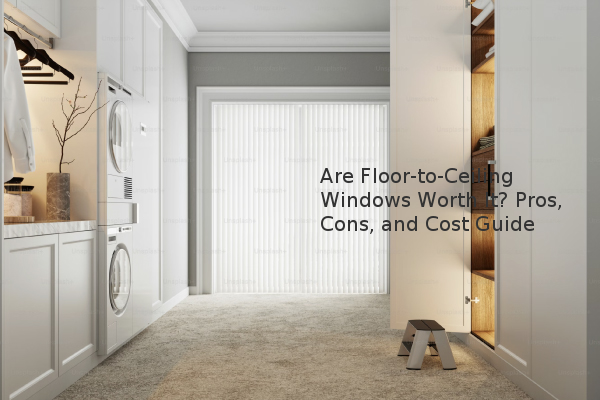
Floor-to-ceiling windows can dramatically transform a living space, but their value depends on your budget, climate, and lifestyle. Based on our experience assessment, the primary benefits include unparalleled natural light and seamless indoor-outdoor integration, while the significant drawbacks often involve higher energy costs and potential privacy concerns. This guide provides an objective analysis to help you determine if this architectural feature is a worthwhile investment for your home.
The most immediate benefit of floor-to-ceiling windows is the massive influx of natural light. This can make rooms feel more spacious and improve occupant mood. Furthermore, they create a strong visual connection to the outdoors, which is highly desirable in homes with scenic views. From a design perspective, these windows can serve as a striking architectural focal point and potentially increase the property's aesthetic appeal. The expansive glass can also provide passive solar heating during colder months, potentially reducing heating bills if properly oriented.
However, it's crucial to balance these advantages with practical considerations. The initial installation cost is substantially higher than that of standard windows, and the long-term energy efficiency is heavily dependent on the quality of the glass and installation.
The most significant challenge with floor-to-ceiling windows is energy efficiency. Poorly insulated or single-pane glass can lead to substantial heat loss in winter and heat gain in summer, resulting in higher HVAC costs. Privacy can also be a major issue, especially in urban or densely populated areas. Homeowners must invest in strategic window treatments like top-down blinds or smart glass. Maintenance is another factor; keeping large, often hard-to-reach glass panels clean requires more effort. Finally, there are safety considerations, particularly in homes with young children or pets, which necessitate the use of reinforced, tempered glass and possibly safety films or railings.
| Consideration | Impact | Mitigation Strategy |
|---|---|---|
| Energy Costs | Potentially High | Invest in double/triple-pane, Low-E glass |
| Privacy | Can be Limited | Use automated blinds or frosted glass films |
| Installation Cost | High ($1,000 - $2,500+ per window) | Consider financing or phased installation |
| Maintenance | More Frequent Cleaning | Factor in professional cleaning services |
The cost of floor-to-ceiling windows is highly variable. A standard, non-operable picture window of this size can range from $1,000 to $2,500 per unit, while large sliding or folding glass door systems can cost $5,000 to $15,000 or more. The final price depends on the frame material (vinyl, aluminum, wood), the type of glass (double-pane, triple-pane, Low-E coatings), and the complexity of the installation. Custom shapes and high-performance impact-resistant glass will push costs even higher. It is essential to get multiple quotes from licensed and insured contractors who specialize in large-format window installations.
Before committing, evaluate your home's orientation. South-facing windows will capture the most sun, which is ideal for passive heating but can cause overheating without proper shading. The structural integrity of your wall is paramount; installing these windows often requires a professional engineer to ensure the header can support the weight. Always check local building codes and homeowner association (HOA) rules, as there may be restrictions on exterior modifications. Finally, consider the long-term value; while they are a premium feature, their appeal is somewhat subjective and may not yield a full return on investment in a resale scenario compared to a kitchen or bathroom remodel.
To maximize the benefits of floor-to-ceiling windows, prioritize energy-efficient glazing, plan for privacy solutions from the start, and work exclusively with qualified installation professionals. This feature is a significant investment that can greatly enhance your living experience, but it requires careful planning and a clear understanding of the associated costs and responsibilities.