Browse

Log in / Register
 Share

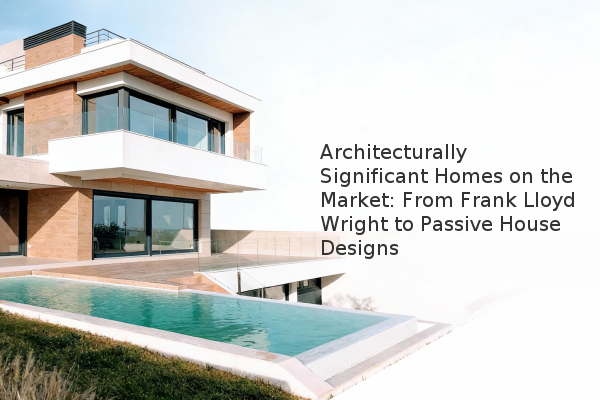
Several architecturally distinct homes across the United States have recently captured significant buyer attention, demonstrating that unique design and historical significance are powerful drivers in the real estate market. These properties, ranging from a Frank Lloyd Wright-inspired residence in Oklahoma to a John Huston estate with a Walt Disney-designed train, highlight the diverse value of custom architecture. This analysis explores the features that make these homes stand out to potential buyers.
Architecturally significant homes often command attention due to their unique design elements, historical provenance, and custom craftsmanship that are not found in typical production builds. For example, the Enid, Oklahoma, home draws inspiration from famed architect Frank Lloyd Wright. Designed by Raymond E. Davis in 1992, it features signature touches like walnut paneling with hand-carved designs, built-in seating, and custom floor tiles. Its appearance on HGTV's "Extreme Homes" adds to its authority and credibility, showcasing its recognized uniqueness. Similarly, a neo-Renaissance estate in Michigan, designed by architect Louis Kamper for his own use, is listed on the National Register of Historic Places, cementing its historical importance. These elements contribute to a property's market value by creating a unique selling proposition that appeals to a specific segment of homebuyers.
The desirable features in these homes extend beyond standard amenities, focusing on artistic details and innovative design principles. Key characteristics include:
These features are not merely aesthetic; they represent a level of quality and intentionality that can influence a property's long-term value and appeal.
The pricing of these architecturally significant homes varies dramatically, reflecting factors like location, size, historical importance, and the extent of unique features. The following table illustrates the wide spectrum of prices:
| Property Location | Key Feature | Square Footage | Price |
|---|---|---|---|
| Key West, FL | Renovated 520 sq ft Tiny Home | 520 | $850,000 |
| Enid, OK | Frank Lloyd Wright-Inspired | 3,008 | $459,900 |
| New York | Midcentury Modern (David Henken) | 3,348 | $1,595,000 |
| Michigan | Louis Kamper-Designed Mansion | 7,056 | $1,999,900 |
| California | John Huston Compound (Walt Disney Train) | N/A | $19,999,000 |
This data shows that price per square foot is not always a direct indicator of value for unique properties. The Key West tiny home, for instance, has an exceptionally high price per square foot, driven by its premium location and recent renovation. In contrast, the Oklahoma home offers a relatively affordable entry point into owning a custom-designed residence. The most expensive property, the California compound, includes irreplaceable features like the Disney-designed train, positioning it as a one-of-a-kind luxury estate.
When considering an architecturally unique home, it is crucial to evaluate both the tangible assets and the intangible historical or design value. Potential buyers should prioritize a specialized home inspection to assess the condition of custom features. Furthermore, securing financing for non-standard properties can sometimes require lenders with experience in unique assets. Ultimately, these homes represent more than just shelter; they are investments in art, history, and a distinct lifestyle.