Browse

Log in / Register
 Share
Share

Archi style homes, a term often shorthand for architecturally significant or custom-designed homes, represent a unique segment of the real estate market characterized by distinct design, potential for higher value retention, and specific maintenance considerations. Unlike standard production-built homes, these properties are valued for their unique aesthetic, the reputation of their architect, and the quality of materials and craftsmanship. For buyers, understanding what defines an archi style home is crucial for making an informed investment and appreciating the long-term benefits and responsibilities that come with ownership. This guide provides an objective overview of their value proposition and key evaluation points.
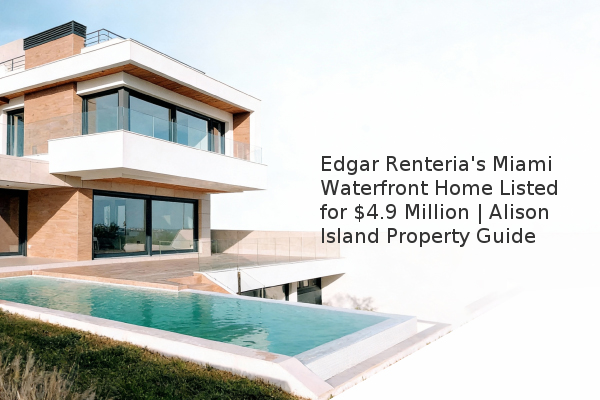
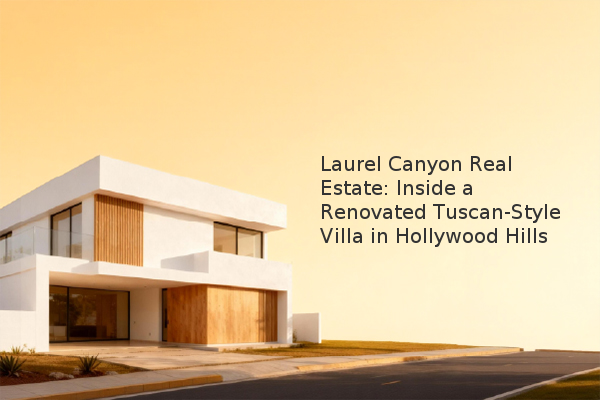
An archi style home is typically a residence designed with a high degree of architectural intention, often by a recognized architect or firm. The term is not a specific style like "Victorian" or "Ranch," but rather a classification based on design integrity and uniqueness. Key characteristics often include a cohesive design concept, innovative use of space and light, high-quality or custom materials, and a strong connection between the interior and exterior environments. These homes can fall under various recognized styles, such as Mid-Century Modern, Prairie School, or Contemporary. The value is not just in the name of the architect but in the execution of the design principles, which can lead to enhanced Curb Appeal (the visual attractiveness of a property as seen from the street) and a unique living experience.
The primary financial consideration for an archi style home is its potential for value appreciation and stability. According to assessments based on market trends, well-maintained architecturally significant homes often hold their value better during market downturns and can appreciate faster in stable or growing markets. This is due to their scarcity and desirability among a niche group of buyers. However, this value is heavily dependent on condition and location. A poorly maintained archi style home in an undesirable area may not command a premium. It is essential to obtain a professional appraisal that accounts for the architectural significance, as standard comparative market analyses (CMAs) may not fully capture its unique attributes.
| Feature | Potential Impact on Value |
|---|---|
| Signature Design by a Known Architect | Can significantly increase value, similar to owning a piece of art. |
| High-Quality, Unique Materials | Increases replacement cost and can justify a higher price per square foot. |
| Innovative but Dated Layout | May require modernization, potentially decreasing value for some buyers. |
| Designated Historic Status | Can offer tax benefits but may restrict modifications. |
Purchasing an archi style home requires a different due diligence process than a conventional home. The uniqueness that adds value can also create challenges. Specialized inspections are critical. A standard home inspector may not be equipped to assess the integrity of unconventional building systems or materials. Hiring an inspector or structural engineer with experience in similar architectural styles is a recommended step. Furthermore, maintenance and repair costs can be higher. Replacing a custom-designed window or a specific type of masonry will be more expensive than standard replacements. Homeowners Insurance (a policy that protects a homeowner from losses and damages to their property and possessions) may also be costlier due to the higher cost of rebuilding with unique materials.
Another key consideration is the potential for renovations. Changes to an architecturally significant home must be approached with care, as improper modifications can destroy its value. Some homes may have protective easements (a non-possessory right to use or enter another's property for a specific purpose) or local historic designations that strictly govern exterior alterations. Buyers should thoroughly research any restrictions before purchasing if they have plans for future expansion or remodeling.
For a buyer interested in an archi style home, the process involves balancing passion for design with pragmatic financial assessment. It is advisable to work with a real estate agent who has experience with unique properties and understands the local market for such homes. The decision should not be purely emotional; a thorough review of all cost factors, from insurance and property taxes to estimated maintenance, is essential. The home should be viewed as both a personal residence and a long-term asset.
In summary, while archi style homes offer unique aesthetic and potential financial benefits, they demand a higher level of buyer diligence. The key takeaways are: prioritize a specialized inspection, understand the true cost of maintenance, verify any renovation restrictions, and secure an appraisal that reflects the architectural value. This approach ensures that your investment is sound and that you can fully enjoy the distinct qualities of your architecturally significant property.