Browse

Log in / Register
 Share
Share
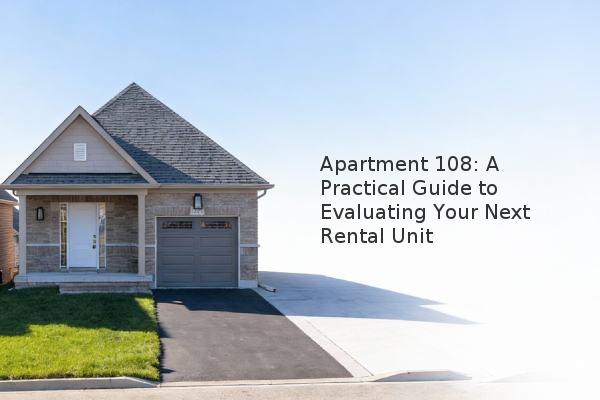
Selecting an apartment based on its specific unit number, such as Apartment 108, involves practical considerations that can significantly impact your daily living experience. Beyond the aesthetics, factors like floor plan efficiency, location within the building, and potential noise levels are critical. This guide provides an objective framework to assess any ground-floor or lower-level unit, helping you make an informed rental decision based on key logistical and lifestyle factors.
In most multi-story residential buildings, the first digit of a unit number often corresponds to the floor level. Therefore, Apartment 108 is typically located on the first floor. This location offers distinct advantages and considerations. The primary benefit is convenience, eliminating the need for stairs or elevator waits for moving in/out or grocery trips. However, it's essential to assess the unit's proximity to high-traffic areas like building entrances, mailrooms, lobbies, or parking lots, as these can be sources of noise. Units on the first floor may also have different natural light exposure compared to higher levels, which can affect both ambiance and utility costs.
When you view Apartment 108, request a copy of the floor plan or create a simple sketch. Pay close attention to the flow between rooms. An efficient floor plan minimizes wasted space and creates a logical separation between living, sleeping, and utility areas. Note the placement of windows and which direction they face; southern exposures generally receive more sunlight throughout the day. Check the location of the bedroom(s) relative to common areas. If the living room faces a potentially noisy courtyard, a well-positioned bedroom at the rear of the unit could provide a quieter retreat. This objective assessment of the layout helps determine if the space aligns with your daily routines.
| Layout Feature | What to Look For | Potential Impact |
|---|---|---|
| Room Flow | Is there a logical path from the entry to key areas? | Affects daily movement and furniture placement. |
| Window Placement | Which directions do the main windows face? | Determines natural light levels and potential for cross-ventilation. |
| Bedroom Position | Is it buffered from living areas and external noise? | Critical for privacy and quality of sleep. |
Your due diligence should extend beyond the unit's walls. Inquire about the building's Homeowners Association (HOA) or management policies, even as a renter. The HOA is an organization that makes and enforces rules for a condominium, apartment complex, or planned community. Ask about security features, especially for a first-floor unit, such as window locks, security systems, or patrols. Clarify policies on window treatments or balcony decorations, as some HOAs have strict guidelines. It is also prudent to ask about the average monthly costs for utilities like water and trash, which are sometimes included in the rent, and the building's policy on pest control to ensure a well-maintained environment.
Before signing any documents, read the lease agreement meticulously. Pay special attention to clauses related to maintenance responsibilities, noise ordinances, and renewal terms. Look for any addendums that might specifically reference first-floor units, which could include obligations for maintaining a small patio area or restrictions on leaving windows open. Ensure you understand the procedure for submitting maintenance requests and the typical response time. Verify all details about the security deposit, including the conditions for its full return. This careful review protects your interests and sets clear expectations for your tenancy in Apartment 108.
Choosing an apartment is a significant decision that benefits from a structured evaluation process. By systematically assessing the unit's layout, building environment, and legal terms, you can select a residence that meets your practical needs and enhances your living experience.