Browse

Log in / Register
 Share


For homebuyers and investors analyzing the American real estate market, Texas consistently stands out for its affordability and growth. A detailed examination of home values by ZIP code reveals that, as of 2026, the median home value in Texas remains significantly below the national median, offering substantial opportunities in specific metropolitan areas. Key markets in the Dallas-Fort Worth and Houston metros show particularly strong value propositions, though prices vary dramatically from one ZIP code to the next. This analysis provides a data-driven overview to guide your research.
A ZIP Code is a system of postal codes used by the United States Postal Service (USPS). In real estate, ZIP codes are crucial because they help define market areas, influencing everything from property taxes and school district quality to local amenities and community character. Home values, inventory levels, and market trends can differ markedly between adjacent ZIP codes, making them a primary filter for buyers seeking specific lifestyle and investment criteria.
According to recent real estate data, the median home value in the United States is approximately $425,000. In contrast, the statewide median in Texas is around $355,000, representing a notable affordability advantage. However, this state-level figure masks significant regional disparities. The table below illustrates the price variations across major Texas metropolitan areas, demonstrating that while some areas align with national averages, others offer considerable savings.
| Texas Metropolitan Area | Median Home Value (2026) | Comparison to U.S. Median |
|---|---|---|
| Austin-Round Rock | $495,000 | Above Average |
| Dallas-Fort Worth-Arlington | $395,000 | Near Average |
| Houston-The Woodlands-Sugar Land | $365,000 | Below Average |
| San Antonio-New Braunfels | $335,000 | Below Average |
| McAllen-Edinburg-Mission | $255,000 | Significantly Below Average |
Value is subjective and depends on a buyer's priorities, such as potential for appreciation, rental yield, or affordability for primary residence. Based on an assessment of price-to-growth ratios, several ZIP codes are noteworthy. In the Houston area, codes like 77084 (median value ~$290,000) offer access to a major job market at a below-average cost. For those prioritizing growth, suburbs within the DFW metro, such as those in ZIP code 76092 (median value ~$415,000), continue to see robust new construction and population influx. It is critical to research recent sales comps (comparable properties) within a specific ZIP code to understand the true market value.
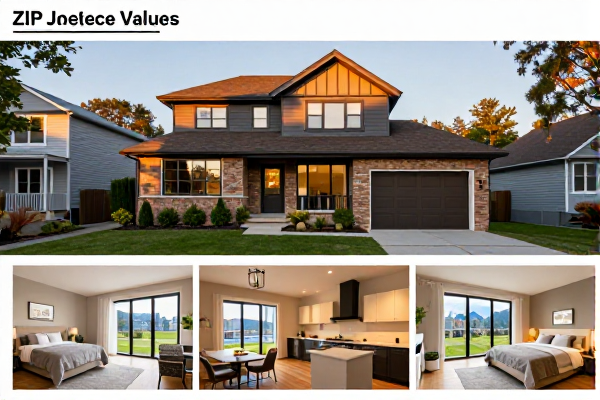
Leveraging ZIP code information effectively requires more than just looking at median prices. Start by identifying your non-negotiable criteria, such as commute time or school ratings. Then, use online real estate portals to filter listings by your target ZIP codes. Monitor the days on market (DOM) metric for these areas; a low DOM indicates high demand. Furthermore, always investigate local property tax rates, as Texas has no state income tax but typically higher-than-average property taxes, which can significantly impact your monthly payment.
Ultimately, a successful Texas home search in 2026 hinges on granular, ZIP code-level analysis. Focusing on markets with strong job growth and infrastructure investment can uncover hidden gems. Always consult with a local real estate expert to validate your findings and navigate the transaction process.