Browse

Log in / Register
 Share

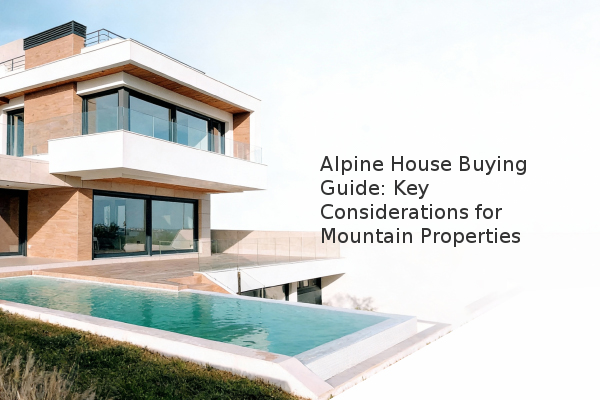
Buying an alpine house involves unique considerations distinct from traditional residential real estate, primarily focused on location accessibility, construction resilience, and specialized maintenance costs. Successfully purchasing a mountain property requires a meticulous approach to due diligence, including understanding Freehold ownership (outright ownership of the land and the building) and evaluating year-round accessibility. This guide outlines the critical steps and potential challenges to help you make an informed decision.
An alpine house is typically a residential property located in a mountainous region, often at high elevations. These homes are valued for their seclusion, natural surroundings, and recreational opportunities. However, their defining characteristic is exposure to harsh weather conditions, including heavy snowfall, high winds, and potential for wildfires. The construction of a true alpine house should feature durable materials, enhanced insulation, and design elements like steeply pitched roofs to shed snow efficiently. Before falling in love with the view, it's crucial to assess whether the property is built to withstand its environment.
The allure of a remote mountain retreat can be quickly diminished by practical access issues. Key questions to investigate include the condition and maintenance schedule of access roads, especially during winter months. Is the road privately maintained or serviced by the county? You must confirm if you are responsible for snow removal costs. Furthermore, assess the proximity to essential services like hospitals, grocery stores, and fire departments. Property Tax rates can also vary significantly between different mountainous counties, so obtaining a precise quote is essential for your budget. A home that is inaccessible for days or weeks due to weather may not be suitable as a primary residence.
A standard home inspection is insufficient for an alpine property. You must hire inspectors with specific experience in mountain homes. They will examine the foundation for stability on sloped land, the roof's load-bearing capacity for snow, and the integrity of the septic system, which can function differently at high altitudes. The heating system is paramount; it must be robust and reliable, with a backup power source like a generator being a significant advantage. Also, inquire about Title Insurance (a policy that protects the homeowner and lender against losses from defects in the title) to ensure there are no undisclosed easements or land-use restrictions that could affect your enjoyment of the property.
| Due Diligence Checklist for Alpine Homes | Key Questions to Ask |
|---|---|
| Structural Integrity | Has an engineer assessed the foundation for slope stability? What is the roof's snow load rating? |
| Utility Systems | What type of septic system is installed? Is the water supply from a well, and is it reliable year-round? |
| Fire Safety | What is the property's wildfire risk score? Are there defensible spaces and fire-resistant materials? |
| Access & Insurance | What are the costs for annual road maintenance? Is homeowners' insurance available and affordable? |
The purchase price is just the beginning. Ongoing costs for an alpine house are typically higher than for a suburban home. Besides potentially higher Property Tax, you must budget for elevated heating expenses, specialized maintenance (e.g., chimney sweeping, well servicing, snow removal), and higher insurance premiums due to increased risks. Based on our experience assessment, securing affordable homeowners' insurance can be a challenge in areas prone to wildfires or landslides, so obtaining quotes early in the process is critical.
Purchasing an alpine house is a major investment that demands thorough research and realistic budgeting. By prioritizing a resilient structure, verifying year-round accessibility, and understanding all associated costs, you can better navigate the complexities of the mountain real estate market. The key is to balance the dream of mountain living with a clear-eyed view of the practical responsibilities involved.