Browse

Log in / Register
 Share

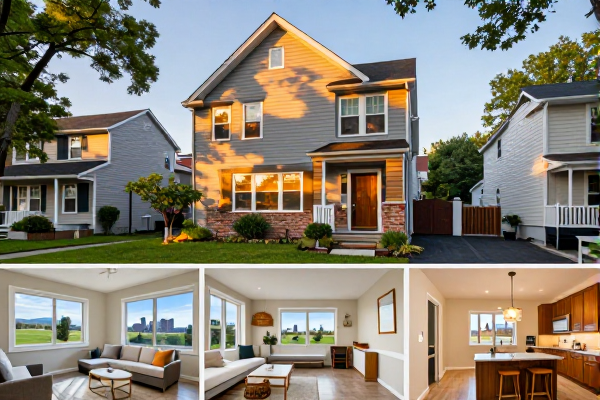
Navigating the Albany, New York real estate market requires understanding its diverse zip codes, each offering distinct neighborhood characteristics, property values, and lifestyle amenities. In 2026, the median home price across Albany's zip codes varies significantly, from the more affordable areas like 12206 to the premium markets of 12211, with prices ranging from approximately $250,000 to over $500,000. This guide provides an objective analysis of Albany's zip codes to help you identify the area that best aligns with your budget and living preferences.
The 12204 zip code encompasses areas west of downtown, including parts of the Pine Hills neighborhood. This area is known for its proximity to the University at Albany, which influences its real estate market. You will find a mix of single-family homes, multi-family properties, and smaller apartment buildings. The architectural styles are predominantly older, classic American homes. The median home price in 12204 for 2026 is projected to be around $275,000, making it one of the more accessible entry points into the Albany market. The neighborhood vibe is often described as vibrant and academic, with a high concentration of students and young professionals.
If your primary concern is affordability, the 12206 zip code, covering the South End of Albany, is a key area to consider. This region has historically offered some of the most competitively priced homes in the city. The housing stock consists largely of smaller single-family homes and duplexes. Based on current market assessments, the median home value in 12206 is approximately $250,000. It is important to conduct thorough due diligence, including a professional home inspection, when considering properties in any market segment. Property taxes and potential renovation costs should be factored into your total budget calculation.
The 12211 zip code, covering the northwestern suburbs of Albany such as Loudonville, is frequently sought after by families. This area is characterized by larger single-family homes on more spacious lots, highly-rated school districts, and a quieter, more suburban atmosphere. With these amenities comes a higher price point. In 2026, the median home price in 12211 is assessed to be above $550,000. Properties here are typically Freehold, meaning the homeowner owns the building and the land it sits on outright, which is the most common form of homeownership in the U.S. This area also features lower crime rates and extensive parklands.
| Albany Zip Code | Representative Neighborhoods | 2026 Median Home Price (Est.) | Key Characteristics |
|---|---|---|---|
| 12204 | Pine Hills, University Area | $275,000 | Academic vibe, mix of property types |
| 12206 | South End | $250,000 | Most affordable, smaller homes |
| 12211 | Loudonville, Suburbs | $550,000+ | Top schools, family-friendly, spacious homes |
| 12203 | Delaware Avenue, New Scotland | $350,000 | Established neighborhoods, classic architecture |
The 12203 zip code, which includes neighborhoods like the Delaware Avenue area, offers a balance between urban proximity and residential comfort. This area features well-maintained, historic homes and a strong sense of community. The market here is stable, with steady appreciation. For a transaction in this or any zip code, securing Title Insurance is critical. This is a form of indemnity insurance that protects the homeowner and lender from financial loss due to defects in the property title. The cost for this is typically a one-time premium paid at closing.
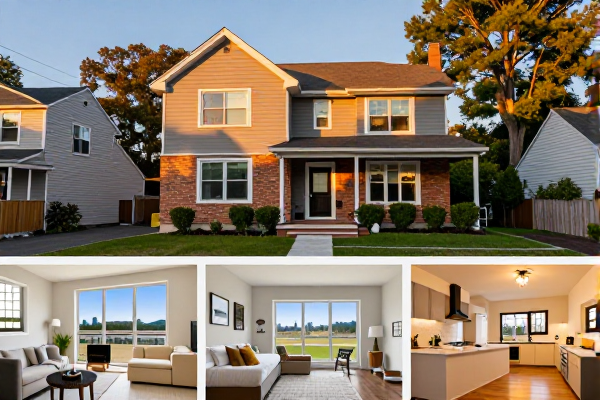
Choosing the right Albany zip code is a personal decision based on budget, lifestyle, and long-term goals. Beyond the purchase price, remember to account for Property Tax, which is an annual tax levied by local governments based on the assessed value of your real estate. Albany County's rates can impact your monthly housing costs significantly. We recommend visiting neighborhoods at different times of the day and week to get a genuine feel for the community.
To make an informed decision in Albany's diverse market: prioritize your budget, research school districts if needed, and factor in all ongoing costs like property taxes and insurance. Each zip code offers a unique value proposition, and what works for one buyer may not suit another. The 2026 market data provides a solid foundation for your comparative analysis.