Browse

Log in / Register
 Share


Understanding Alabama's zip codes is crucial for navigating the state's diverse real estate markets in 2026. The correlation between a specific Alabama zip code and key metrics like median home prices, property tax rates, and market velocity is more significant than ever. This guide provides an objective analysis of how zip codes function as precise indicators for buyers, sellers, and investors, using the most current data available to inform your real estate decisions.
A Zip Code, or Zone Improvement Plan code, is a postal code system used by the United States Postal Service (USPS). In real estate, it has evolved into a primary geographic identifier that defines market boundaries more accurately than city limits. For example, properties in zip code 35242 (a part of Hoover in Jefferson County) can have vastly different characteristics and values than those in zip code 35401 (downtown Tuscaloosa). Analyzing data at the zip code level allows for a granular understanding of local trends, including inventory levels and buyer demand, which are essential for accurate pricing and timing in a transaction.
Property values in Alabama are highly localized. According to 2026 market assessments, premium zip codes associated with top-rated school districts or proximity to major employment hubs like Huntsville's Redstone Arsenal command a significant price premium. The table below illustrates the variance in key metrics across a sample of Alabama zip codes for early 2026.
| Alabama Zip Code | Area (Example) | Median Home Price (Q1 2026) | Average Property Tax Rate |
|---|---|---|---|
| 35242 | Hoover (Jefferson Co.) | $485,000 | 0.40% |
| 35803 | Central Huntsville | $325,000 | 0.37% |
| 36695 | West Mobile | $275,000 | 0.33% |
| 36117 | East Montgomery | $215,000 | 0.45% |
Note: Median prices are estimates based on aggregated market data. Property tax rates are expressed as an annual percentage of assessed value.
This data highlights the importance of researching beyond the city name. A difference of a few zip codes can translate to a price variance of hundreds of thousands of dollars, influenced by factors such as neighborhood amenities, school rankings, and commercial development.
For buyers, selecting a zip code is a primary filter. Key considerations include Property Taxes, which are calculated based on the local millage rate and can impact your monthly housing costs significantly. Additionally, buyers should investigate future development plans within a zip code, as new infrastructure can affect long-term property value. For sellers, understanding your zip code's average Days on Market (DOM) is critical for setting realistic expectations. In 2026, homes in high-demand zip codes may sell in a matter of days, while other areas may see a DOM of 60 days or more. Pricing your home in line with recent comparable sales (comps) from the same zip code is the most effective strategy.
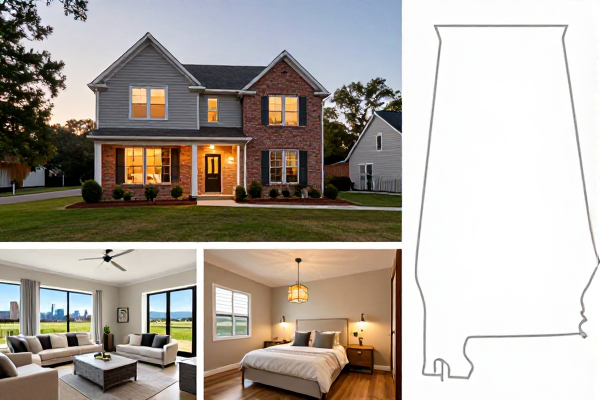
Accurate data is the foundation of sound real estate decisions. Prospective buyers and sellers should consult multiple sources. County tax assessor websites provide official records on property assessments and tax rates. Furthermore, multiple listing service (MLS) data, accessible through a licensed real estate agent, offers the most precise and timely information on active listings, pending sales, and sold properties within a specific zip code. Cross-referencing this data ensures a comprehensive view of the market conditions.
To make informed Alabama real estate decisions in 2026, prioritize zip code-level research. Focus on comparative market analyses for accurate pricing, verify property tax obligations with county records, and align your strategy with the specific demand dynamics of your target area. This localized approach is the most reliable method for achieving your real estate goals.