Browse

Log in / Register
 Share

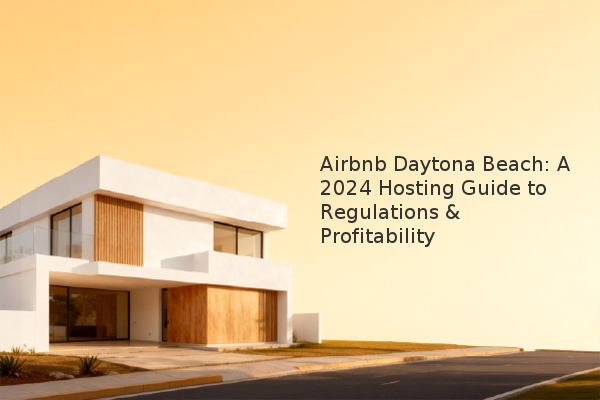
Navigating the short-term rental market in Daytona Beach requires a clear understanding of local regulations and market dynamics. Based on our experience assessment, successful hosting hinges on securing the mandatory Transient Public Lodging Establishment license from Volusia County and adhering to Daytona Beach's specific zoning rules. This guide provides a factual overview of the legal requirements, potential earnings, and operational considerations for an Airbnb in Daytona Beach.
The most critical step for any prospective host is compliance with local law. Daytona Beach falls under Volusia County's jurisdiction for short-term rental licensing. You must obtain a Transient Public Lodging Establishment license. This license is mandatory for any property rented for periods of less than six months. The application process involves inspections to ensure the property meets health, safety, and building codes. Furthermore, you are required to collect and remit the county's tourist development tax (also known as a bed tax) and the Florida state sales tax on all rentals. Non-compliance can result in significant fines. It is essential to verify the zoning of your specific property, as some residential areas may have restrictions on short-term rentals.
The market is heavily influenced by Daytona Beach's event calendar, including Bike Week, Speedweeks, and college spring break. During these peak periods, demand and average daily rates (ADRs) can surge dramatically. Outside of major events, the market relies on beach tourism. A realistic assessment of occupancy rates is crucial for financial planning. While annual averages might hover around a certain percentage, profitability is often concentrated in high-season months. A comparative analysis of similar properties on the Airbnb platform can provide insights into achievable pricing and occupancy throughout the year.
| Month | Estimated Average Daily Rate | Key Market Influencers |
|---|---|---|
| March | $250 - $400+ | Bike Week, Spring Break |
| July | $200 - $300 | Independence Day, Summer Vacation |
| October | $150 - $220 | Biketoberfest, Fall Weather |
| January | $120 - $180 | Post-Holiday Lull (excluding Speedweeks) |
Beyond initial licensing fees, hosts must account for ongoing costs. These include property management fees if you hire a company, increased insurance premiums (standard homeowners insurance often excludes short-term rental activities), utilities, cleaning services, and maintenance. A portion of revenue should be set aside for unexpected repairs and marketing to maintain positive reviews. The net profit is the revenue remaining after subtracting these operational expenses, mortgage payments, and taxes. A detailed pro forma financial model is recommended to assess viability before investing.
To maximize bookings and guest satisfaction, focus on amenities that cater to the Daytona Beach visitor. Highlighting proximity to the beach, providing parking (a valuable asset in a crowded area), and offering Wi-Fi and beach gear are standard. Given the competitive landscape, maintaining a high guest review score is paramount. This is achieved through prompt communication, professional cleaning, and clear house rules. Ensuring your listing has high-quality photos that accurately represent the property is one of the most effective ways to attract guests.
Successful Airbnb hosting in Daytona Beach is a manageable venture with thorough preparation. Key takeaways include securing the correct Transient Public Lodging license from Volusia County, understanding the seasonal nature of the market, and creating a detailed budget that includes all potential costs. By focusing on compliance and guest experience, you can navigate this dynamic market effectively.