Browse

Log in / Register
 Share
Share
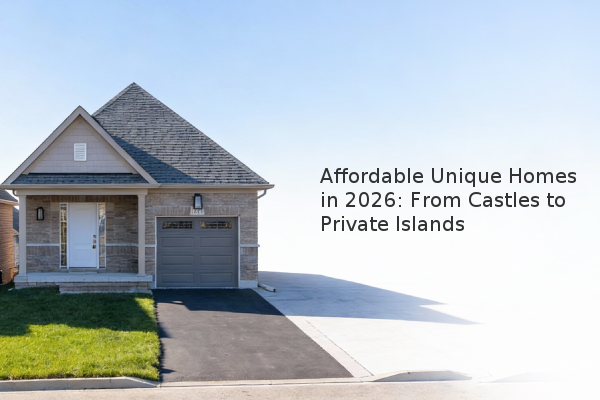
For homebuyers seeking a distinctive property without a multimillion-dollar price tag, the market offers surprising opportunities in 2026. The core appeal lies in identifying structurally sound unique homes where the value is in the land and the building's potential, rather than in turn-key luxury. Based on our experience assessment, the most popular affordable unique properties often require a vision for restoration, offering a significant square footage payoff for those willing to invest time and capital into renovations. This guide explores the market for such distinctive homes, from a Gothic castle in New York to a private island in New Jersey, outlining key financial and practical considerations.
An affordable unique home is typically a non-standard property—such as a historic mansion, a converted building, or a geographically distinct location like an island—that is priced significantly below the average for its square footage or land size. The lower purchase price often reflects the need for substantial repairs, modernization, or specialized maintenance. For example, a 41-room Gothic castle (a large, often historic, fortified building) in Elmira, NY, is listed for $99,900, translating to just $12 per square foot. This price point is accessible, but buyers must budget for restoration costs, which can exceed the initial purchase price. The financial appeal is the potential to create significant equity through the renovation process.
Key characteristics of these properties include historical architectural details, large square footage, and unique settings. However, a critical first step is a specialized home inspection (a thorough examination of a property's condition) to identify structural issues, roofing problems, or outdated systems like plumbing and electrical. Obtaining accurate renovation estimates from contractors familiar with historic or unusual properties is essential before making an offer. Financing can also be a hurdle, as traditional mortgages may not cover properties in poor condition, potentially requiring a renovation loan.
The listed price is only the beginning of the financial commitment. Prospective buyers must conduct a detailed analysis of ongoing costs. Property taxes (a levy on real estate paid to a local government) can vary widely based on the municipality and the property's assessed value post-renovation. For a large estate, annual taxes can be substantial. Additionally, insurance premiums for historic or unique properties are often higher than for standard homes due to the increased cost of rebuilding with specialized materials or methods.
It is crucial to factor in utility costs for heating and cooling a large, old space, which can be inefficient. Furthermore, title insurance (a form of indemnity insurance that protects against financial loss from defects in a property's title) is highly recommended for older properties to uncover any potential liens or ownership disputes in their long history. Creating a comprehensive budget that includes a contingency fund for unforeseen issues is a non-negotiable part of the process. A realistic assessment ensures the dream home does not become a financial burden.
The setting of a unique property greatly influences its practicality and long-term value. A private island in New Jersey offers unparalleled privacy but requires consideration of accessibility, especially during inclement weather. A mansion in a small town may offer a peaceful retreat but could be far from employment centers or specialized services. The key is to align the property's location with your lifestyle needs. Is year-round access guaranteed? What are the local zoning regulations regarding renovations or additions?
For historic properties, there may be preservation covenants (legal agreements that dictate how a property can be altered to maintain its historical character) enforced by local historical societies. These can limit changes to the exterior or even interior features, adding another layer of complexity and cost to renovations. Evaluating the community and its resources is as important as evaluating the house itself. A supportive community with experience in historic preservation can be an invaluable asset.
Purchasing an affordable unique home is a marathon, not a sprint. The potential for creating a one-of-a-kind residence is immense, but it demands careful planning, a realistic budget, and a clear-eyed view of the challenges. Focus on securing a thorough inspection and detailed renovation quotes before committing. For the right buyer with the necessary resources, these properties represent a rare opportunity to own a piece of architectural history or a truly private sanctuary at an accessible entry point.