
Browse

Log in / Register
 Share

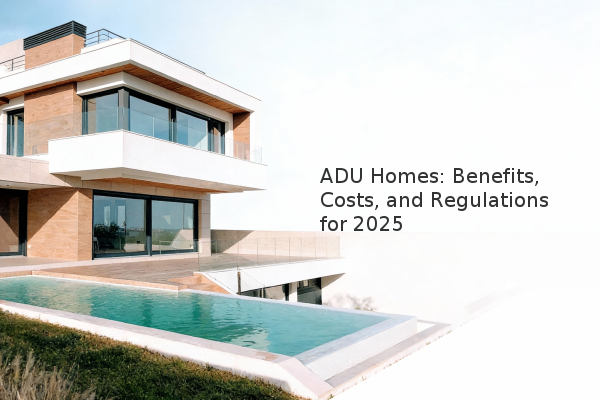
An Accessory Dwelling Unit (ADU) is a secondary housing unit on a single-family residential lot. Often called granny flats, in-law suites, or backyard cottages, ADU homes are becoming a popular solution for homeowners seeking extra income, space for family, or increased property value. For 2025, understanding the benefits, navigating costs, and complying with local regulations are the most critical factors for a successful ADU project. This guide provides an objective overview based on current market trends and regulatory shifts.
The primary benefits of building an ADU home are multifaceted. Firstly, they generate rental income, which can help offset a mortgage or provide a financial cushion. Secondly, they offer flexible living space for multigenerational families, adult children, or a home office. Finally, ADUs can significantly increase your property's overall market value. It's a strategic investment that enhances the utility of your land. However, the feasibility hinges entirely on local zoning laws, which have been evolving rapidly to address housing shortages across many US states.
The cost of constructing an ADU home varies dramatically based on size, type (e.g., converted garage, detached new construction, basement apartment), and location. On average, homeowners can expect to invest between $100,000 and $300,000. This wide range is due to factors like materials, labor, and site preparation costs. Key cost components include design and permits, foundation work, utilities (water, sewer, electrical hookups), and interior finishes.
Below is a breakdown of potential cost ranges for a detached ADU:
| Cost Component | Low-End Estimate | High-End Estimate |
|---|---|---|
| Design & Permits | $5,000 | $15,000 |
| Site Preparation & Foundation | $15,000 | $30,000 |
| Framing & Roofing | $20,000 | $50,000 |
| Utilities & Mechanicals | $15,000 | $25,000 |
| Interior Finishes | $30,000 | $80,000 |
| Total Estimated Cost | $85,000 | $200,000+ |
It is essential to obtain multiple quotes from licensed contractors and factor in a contingency fund of at least 10-15% for unexpected expenses.
Financing an ADU home is a key consideration. Common methods include a cash-out refinance of your primary mortgage, a home equity line of credit (HELOC), or a personal loan. Some states and municipalities also offer specific ADU construction loan programs or grants to encourage development. The best option depends on your existing equity, credit score, and current interest rates. Consulting with a financial advisor is recommended to assess the long-term impact on your finances.
Zoning codes dictate the rules for ADU development, including maximum size, height, setback requirements, and parking provisions. In recent years, states like California, Oregon, and Washington have passed laws to streamline ADU approval and override restrictive local ordinances. However, regulations can still differ significantly from one city to the next. Key steps involve:
Navigating the permit process is a non-negotiable step. Skipping permits can lead to fines, forced demolition, and complications when selling the property. Based on our experience assessment, engaging with your local planning department early in the process is the most effective way to avoid costly mistakes.
To successfully build an ADU home, start with thorough research into local regulations, create a realistic budget with a contingency fund, and select a reputable contractor. This investment can provide substantial financial and practical benefits, but its success is directly tied to careful planning and adherence to all legal requirements. Focus on understanding your local zoning laws, securing detailed cost estimates, and exploring financing options that align with your long-term financial goals.


