Browse

Log in / Register
 Share
Share
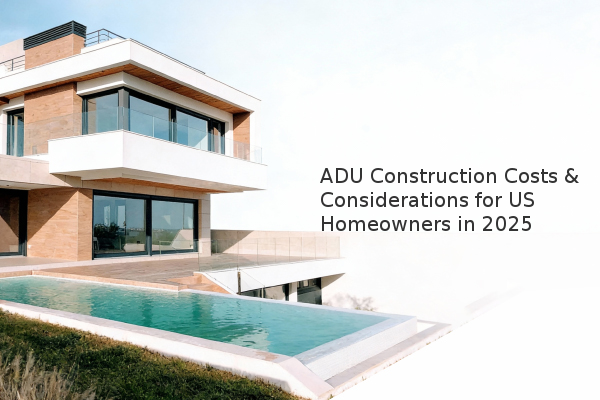
Building an Accessory Dwelling Unit (ADU), a secondary housing unit on a single-family lot, can cost between $100,000 and $400,000 or more. The final price is highly dependent on your location, the ADU's size, construction method, and site-specific challenges. This guide outlines the key financial and logistical factors to consider before starting your ADU construction project.
The primary driver of your budget is the construction method. Prefabricated ADUs, which are built off-site in sections and assembled on your property, typically range from $100,000 to $250,000. These can be faster to complete but may have design limitations. Stick-built ADUs, constructed entirely on-site by a crew, offer maximum customization but usually cost between $200,000 and $400,000+. This price includes materials, labor, and the contractor's overhead.
Other significant expenses include:
The table below provides a general cost overview based on square footage for a stick-built ADU:
| ADU Size (Square Feet) | Estimated Average Cost Range |
|---|---|
| 400 - 600 sq. ft. | $150,000 - $300,000 |
| 600 - 800 sq. ft. | $200,000 - $350,000 |
| 800 - 1,200 sq. ft. | $300,000 - $450,000+ |
Before investing in design plans, your first step is to understand local zoning regulations, which are local laws governing land use. Many cities have recently updated their rules to encourage ADU construction, but restrictions on size, height, and setback requirements (the minimum distance a structure must be from property lines) are common. Contact your local planning department to confirm that your property is eligible and to learn the specific rules for your lot. The permitting process involves submitting detailed architectural plans for review to ensure they meet building, safety, and zoning codes. This phase can take several months.
Most homeowners use one of several financing options. A cash-out refinance allows you to tap into your home's existing equity. A home equity line of credit (HELOC) provides a flexible source of funds based on your equity. Some lenders also offer specialized ADU construction loans. Each option has different implications for your monthly cash flow and long-term financial picture, so consulting with a financial advisor is recommended.
A successful project follows a logical sequence. It begins with feasibility research into zoning and budgeting. Next, you'll hire an architect or designer to create plans. Then, you select a licensed and insured general contractor, obtain permits, and finally, begin construction. Throughout the build, regular communication with your contractor is essential to manage timelines and budgets effectively.
To proceed with ADU construction, start by verifying local zoning laws, obtain multiple detailed quotes from licensed contractors, and secure financing based on a comprehensive budget that includes a 10-15% contingency fund for unexpected costs.