Browse

Log in / Register
 Share
Share
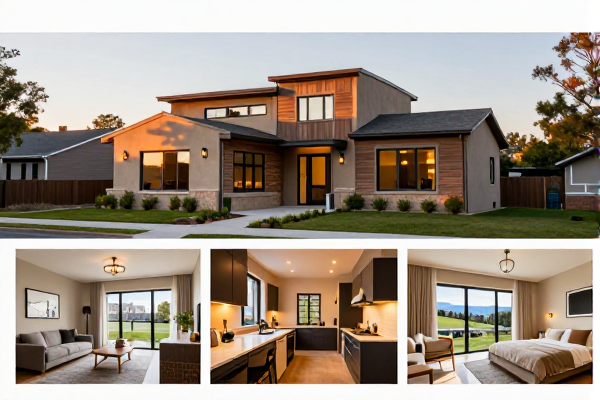
An adobe house offers significant energy savings due to its high thermal mass, but requires diligent maintenance in humid climates to prevent erosion. For homebuyers and builders in 2026, the unique properties of this ancient building material present a distinct set of advantages and challenges that must be carefully weighed. This guide provides an objective assessment based on current construction standards and climate considerations.
The most significant benefit of an adobe house is its exceptional energy efficiency. Adobe bricks have a high thermal mass, a property that allows a material to absorb, store, and slowly release heat. This means the walls absorb heat during the day and release it at night, naturally stabilizing indoor temperatures and reducing reliance on heating and cooling systems. In 2026, with energy costs being a major concern, this can lead to substantial long-term savings. Furthermore, adobe is made from natural, abundant materials—primarily soil, clay, water, and sometimes straw—making it a sustainable building choice with a low embodied energy. Its thick walls also provide excellent sound insulation, creating a quiet and peaceful interior environment.
The durability of a well-maintained adobe structure is another key advantage. Historically, many adobe buildings have stood for centuries. The material is also non-combustible, offering a high degree of fire resistance, which is an increasingly important factor in certain regions of the US. The aesthetic appeal of soft, rounded contours and earthy tones is a major draw for those seeking a home with unique character and a connection to natural building traditions.
The principal disadvantage of adobe is its vulnerability to water damage. Adobe walls are essentially dried mud and can erode if not properly protected from prolonged moisture. This makes proper maintenance and a robust foundation and roof overhang critical, especially in regions with high rainfall, snow, or humidity. In 2026, addressing this issue requires specific building techniques, including the application of specialized, breathable plasters that shed water while allowing moisture within the wall to escape.
Another consideration is the insulation value (R-value). While adobe has high thermal mass, its R-value is relatively low compared to modern fiberglass or foam insulation. This means in climates with extreme, rapid temperature swings, additional insulation may be necessary to achieve optimal comfort, which can add to construction costs. Additionally, building with adobe can be more labor-intensive than conventional stick-frame construction, potentially leading to higher initial labor costs, though material costs are often lower.
| Advantage | Disadvantage |
|---|---|
| High thermal mass for energy efficiency | Vulnerable to water damage and erosion |
| Sustainable, natural materials | Lower insulation (R-value) requires planning |
| Excellent fire resistance | Labor-intensive construction process |
| Superior sound insulation | Requires a specific, dry-ish climate to perform best |
The financial value of an adobe house is highly market-dependent. In the Southwestern US, where this style is historically and culturally significant, adobe homes often command a premium and have a strong buyer appeal. Their unique character and energy-efficient performance can be significant selling points. However, in regions where adobe construction is uncommon, the market may be smaller, and lenders or insurers might be less familiar with the property type, which could require additional effort during the purchase process. From an investment perspective, the lower utility bills can improve long-term affordability, offsetting the potential for higher maintenance costs.

Proactive maintenance is non-negotiable for preserving an adobe house. The most critical task is inspecting and maintaining the exterior plaster or stucco finish annually. Any cracks or holes must be sealed immediately to prevent water infiltration. The roof and gutters must be kept in excellent condition to direct water away from the walls effectively. The foundation should be checked regularly for signs of settling or moisture wicking. Based on our experience assessment, planning for these ongoing maintenance tasks is essential for any adobe homeowner.
In summary, an adobe house is an excellent choice for those prioritizing energy efficiency, sustainability, and unique aesthetics, particularly in arid or semi-arid climates. However, success hinges on a commitment to proactive, moisture-management maintenance. Prospective buyers should always secure a specialized inspection to understand the specific condition of the property before committing to a purchase.