Browse

Log in / Register
 Share

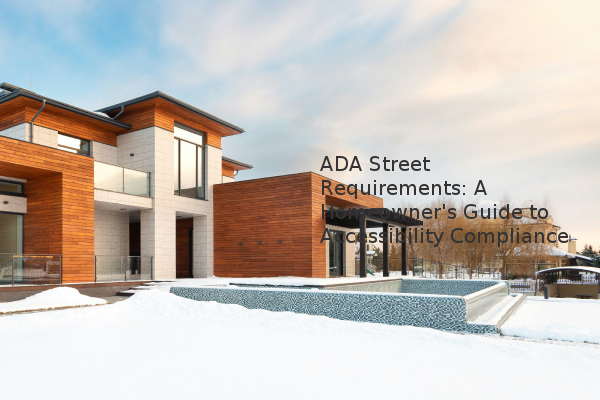
Understanding ADA street requirements is crucial for any homeowner planning renovations or new construction, as non-compliance can lead to significant legal and financial repercussions. The Americans with Disabilities Act (ADA) sets forth specific standards for public right-of-way accessibility, which directly impact how properties connect to public streets and sidewalks. For homeowners, the key takeaway is that while the ADA primarily governs public spaces, your property's points of access—like driveways, walkways, and entryways—must be designed to provide a seamless and accessible transition from the public street to your home. This guide outlines the core principles and how they apply to residential property.
What are the ADA Standards for Accessible Design? The ADA Standards for Accessible Design are a set of federal regulations that outline minimum requirements for making facilities accessible to individuals with disabilities. It is important to note that these standards are legally enforceable. For residential properties, the direct application of ADA standards is typically limited to public accommodations within a home, such as a lawyer's office or a bed-and-breakfast. However, the spirit and technical specifications of the ADA heavily influence local building codes, which do govern single-family homes. Elements like the slope of a driveway or the width of an exterior pathway are often regulated by local codes derived from ADA principles to ensure safe access.
Key Accessibility Features for Your Property's Entrance When considering your property's connection to the street, several features ensure accessibility. The accessible route is a continuous, unobstructed path connecting the public sidewalk to your home's primary entrance. Key specifications often include:
How Do Local Building Codes Incorporate ADA Principles? While the ADA is a federal law, its implementation for private residences is largely delegated to state and local governments through their building codes. Most jurisdictions in the U.S. have adopted codes like the International Building Code (IBC) or have their own regulations that mirror—and sometimes exceed—ADA requirements. Before starting any exterior project, you must check with your local building department. Permits for new construction, major renovations, or even replacing a driveway will likely require compliance with these localized accessibility standards, effectively bringing ADA considerations to your doorstep.
Financial Considerations and Potential Value Making your property more accessible can involve costs, but it also adds significant value. The following table outlines common projects and their potential impact.
| Project | Typical Cost Range | Primary Benefit |
|---|---|---|
| Installing a Curb Ramp | $1,200 - $2,500 | Legal compliance and safe access |
| Widening a Walkway | $1,000 - $4,000 | Improved usability and safety |
| Replacing a Steep Driveway | $3,000 - $7,000 | Prevents erosion and enhances accessibility |
Beyond compliance, an accessible home has a broader market appeal, catering to aging populations and families with members who have mobility challenges. This can be a strong selling point.
Navigating Compliance: Practical Steps for Homeowners To ensure your property meets necessary standards, follow a structured approach. First, consult your local building department before beginning any exterior modification. They can provide the specific code requirements for your area. Second, when hiring contractors, choose professionals experienced in accessibility projects and ensure their quotes include compliance with local codes. Finally, consider a pre-emptive accessibility audit by a certified specialist to identify potential issues before they become legal problems.
Proactive planning regarding accessibility is not just about legal compliance; it's about future-proofing your investment and ensuring your home is safe and welcoming for all visitors. Always prioritize consulting with local authorities and qualified professionals to verify that your project meets all applicable standards.