Browse

Log in / Register
 Share
Share
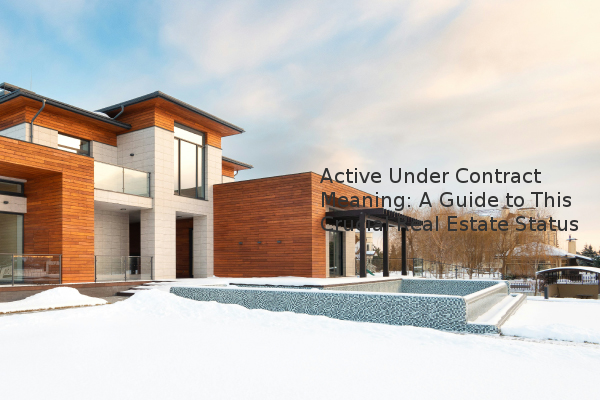
When a property listing is marked "Active Under Contract," it means the seller has accepted an offer from a buyer, but the sale is not yet final. This status indicates that the property remains technically on the market while the buyer completes critical contractual contingencies, such as the home inspection and financing approval. For both buyers and sellers, understanding this phase is essential, as it defines the rights and obligations of all parties before the deal officially closes.
What Does "Active Under Contract" Really Mean?
This status, sometimes called "Active with Contingencies," is a pivotal stage in a real estate transaction. The seller and buyer have signed a purchase agreement, making the offer legally binding. However, the contract includes clauses, known as contingencies, that allow the buyer to back out without penalty under specific conditions. The property listing remains "active," meaning the seller can technically continue to show the home and accept backup offers. This status is distinct from "Pending," where contingencies have typically been met and the sale is moving toward a final closing with less uncertainty.
Key Differences Between Real Estate Statuses
It's helpful to compare "Active Under Contract" with other common listing statuses to understand its unique position. The following table outlines the primary distinctions:
| Status | Meaning | Can Buyers Make Offers? | Level of Certainty |
|---|---|---|---|
| Active | Property is fully available on the market. | Yes, encouraged. | Low; no offers accepted. |
| Active Under Contract | Offer accepted, but buyer contingencies are active. | Yes, but typically as backup offers. | Medium; deal is likely but not guaranteed. |
| Pending | All contingencies removed; sale proceeding to close. | Unlikely; seller usually stops showing. | High; deal is very likely to close. |
| Sold | Transaction is complete; property ownership has transferred. | No. | Final. |
The Buyer's Perspective During This Phase
For the buyer, the "Active Under Contract" period is a busy time for due diligence. Their primary goal is to verify the property's condition and secure financing. Key steps include:
The Seller's Perspective and Strategy
For the seller, this status offers a mix of security and opportunity. They have a willing buyer but must navigate the process carefully. Important considerations are:
What Happens Next? Moving to Closing
The "Active Under Contract" phase ends when all contingencies are successfully met or waived by the buyer. At this point, the listing status typically changes to "Pending." The final steps involve the closing, also known as settlement or escrow, where the title—the legal evidence of ownership—is transferred to the buyer. The buyer will conduct a final walk-through, and all closing costs, including property transfer taxes, are settled.
In summary, "Active Under Contract" is a conditional agreement that moves the transaction forward while protecting the buyer. For sellers, it requires a balanced approach of cooperation and caution. The most critical takeaway is that the deal is not final until all contingencies are satisfied and the closing documents are signed.