Browse

Log in / Register
 Share
Share
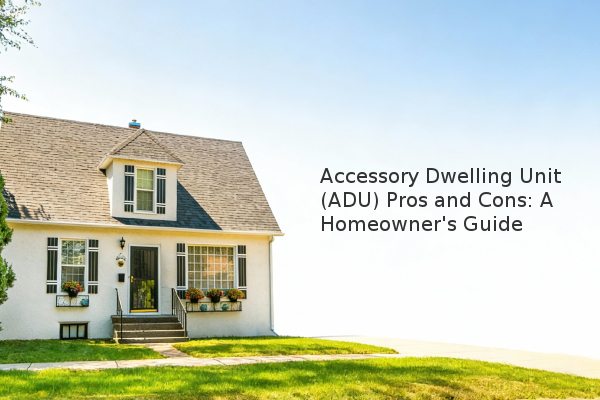
Owning a property with an Accessory Dwelling Unit (ADU), commonly known as a mother-in-law suite, provides significant financial benefits, including mortgage assistance and increased property value, but requires a commitment to the responsibilities of being a landlord. This guide outlines the key advantages and challenges based on US real estate expertise to help you make an informed decision.
An Accessory Dwelling Unit (ADU) is a secondary, self-contained living space located on the same lot as a primary residence. Unlike a duplex, where units are typically similar in size, an ADU is a smaller accessory to the main home. It must include its own entrance, sleeping area, kitchen, and living facilities. ADUs are either purpose-built during a home's construction or created later by converting existing space like a basement or garage. The key distinction is that an ADU cannot be sold separately from the primary property.
The primary advantage of an ADU is the potential for rental income. For homeowners, especially first-time buyers, this income can be strategically applied to housing costs.
| Income Application Strategy | Primary Benefit |
|---|---|
| Mortgage Assistance | Applying rent directly to the monthly mortgage payment can ease financial strain. |
| Savings & Bills | Using the income for savings contributions or utility bills improves cash flow. |
| Future Investment | Savings from rental income can fund a down payment on a next property, allowing the homeowner to eventually rent both units. |
For retirees or empty-nesters, an ADU offers a steady income stream to supplement retirement savings. Furthermore, based on our experience assessment, properties with permitted ADUs often see increased resale value and attract greater interest from real estate investors, as they are in high demand.
Beyond finances, ADUs offer flexible living arrangements. They can provide independent housing for adult children returning home or aging parents, offering privacy for both generations. This flexibility is a significant long-term benefit, adapting to a family's changing needs over time.
Becoming a landlord means accepting new responsibilities. Repairs that a homeowner might postpone become urgent when they affect a tenant's living conditions. You are also responsible for finding a reliable tenant who pays on time and maintains the property. Tenant-caused damage is damage to your asset, which can be a difficult reality for new landlords. This role requires time and energy for maintenance, emergency calls, and general management.
If you are considering building an ADU, the most critical step is researching local regulations. Zoning laws, building codes, and permit requirements vary significantly by city and state. While purchasing a home with an existing, permitted ADU is generally straightforward, building a new one involves navigating municipal rules, which can mean additional fees and paperwork. It is also essential to confirm how an ADU will impact your property taxes; while some additions may not increase the tax base if they don't add square footage, the rental income is subject to income tax.
Ultimately, the decision to invest in an ADU hinges on weighing the financial upside against the commitment of property management. For those prepared for the landlord role, the benefits of rental income and enhanced property value can be a powerful wealth-building strategy.