Browse

Log in / Register
 Share
Share
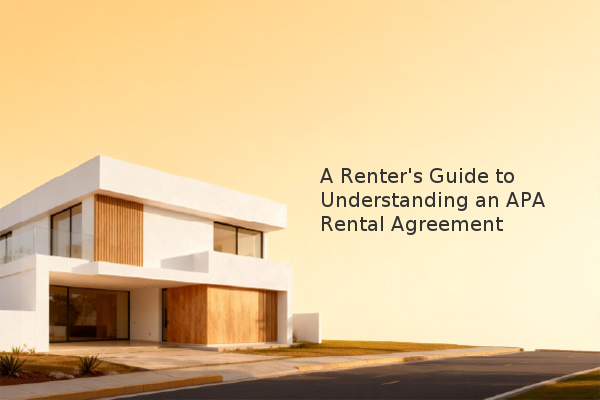
An APA Rental Agreement, or Apartment Rental Agreement, is a legally binding contract that outlines the terms and conditions between a landlord and a tenant for the lease of a residential property. Before signing any document, it is crucial to understand every clause to protect your rights and avoid potential disputes.
This guide will break down the key components of a standard APA, from security deposits to maintenance responsibilities, empowering you to navigate your rental journey with confidence. The most critical step for any prospective tenant is to thoroughly read and understand every provision in the APA before signing.
The definitions section is the foundation of the agreement. It clarifies the meaning of specific terms used throughout the document. Key terms include the lessor (landlord/property owner) and lessee (tenant). You will also find the premises, which is the exact address and unit number of the rental property, and the term, which specifies the start and end dates of the lease. Understanding these definitions prevents ambiguity and ensures both parties are on the same page regarding their obligations.
Another critical term is the security deposit. This is a refundable sum of money paid by the tenant to the landlord at the beginning of the lease. It is held to cover potential costs for damages beyond normal wear and tear, unpaid rent, or cleaning fees after the tenant moves out. State laws often dictate the maximum amount a landlord can charge and the timeline for its return.
This section details all monetary commitments. The most prominent is the monthly rent, including the exact amount, the due date (e.g., the 1st of every month), and the accepted payment methods. Look for information on late fees—the penalty charged if rent is paid after the due date—and the grace period, if any.
You may also encounter clauses about utilities. The agreement should specify which utilities (e.g., water, gas, electricity, trash) are the tenant's responsibility and which are covered by the landlord. This is a variable cost that can significantly impact your monthly budget. Be sure to factor in these amounts when assessing the affordability of the apartment.
| Common Financial Clauses | What to Look For |
|---|---|
| Rent | Due date, amount, payment methods. |
| Late Fees | Fee amount and length of grace period. |
| Security Deposit | Refundable amount and conditions for deductions. |
| Utilities | Clarification of which party pays for each service. |
The covenants or rules section outlines how you can use the property. This often includes policies on quiet enjoyment, which is your right to live in your home without unreasonable disturbance, and your obligation not to disturb your neighbors. It will also cover rules on pets, smoking, and alterations to the property, such as painting walls or installing shelves.
Pay close attention to the subletting policy. This clause states whether you are permitted to rent the apartment to someone else for a portion of your lease term. Violating these rules can be grounds for lease termination or financial penalties. Always assume that any activity not explicitly permitted is prohibited until you get written consent from the landlord.
A clear maintenance clause protects both the tenant and the landlord. It defines the responsibilities for upkeep. Typically, the landlord is responsible for maintaining the habitability of the property, which includes repairs to major systems like plumbing, heating, and electrical. The tenant is usually responsible for keeping the unit clean and reporting any maintenance issues promptly to prevent further damage.
The agreement should explain the procedure for submitting maintenance requests. Knowing how to report a problem—whether through an online portal, a phone call, or an email—is essential for getting repairs addressed in a timely manner. Document all requests in writing for your records.
To ensure a smooth rental experience, prospective tenants should: thoroughly inspect the property before moving in, document any pre-existing damage with photos, understand the lease termination and renewal procedures, and keep a signed copy of the APA for their records. A well-understood rental agreement is the first line of defense in a successful landlord-tenant relationship.