Browse

Log in / Register
 Share
Share
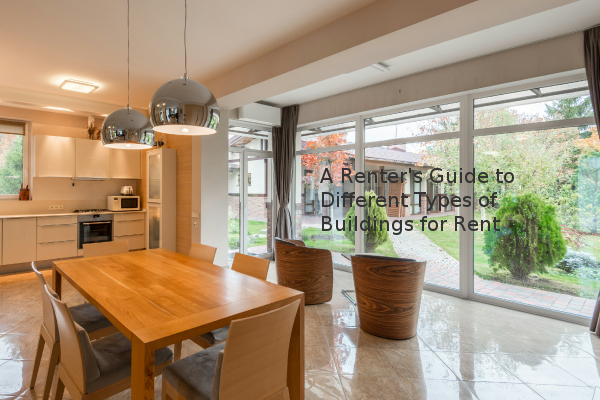
Navigating the rental market involves understanding the distinct advantages and considerations of various buildings for rent. From high-rise apartments to single-family homes, each property type offers a different lifestyle and set of financial obligations. This guide provides an objective overview to help you identify the best fit for your needs, focusing on key factors like space, amenities, and lease structures.
The first step is to define what a rental building encompasses. In real estate, this term broadly refers to any residential property owned by a lessor (the landlord) and occupied by a lessee (the tenant) under a legal agreement. The most common categories include apartment complexes, condominiums, townhouses, and single-family homes. Your choice will significantly impact your monthly budget and daily living experience.
Apartment Buildings are multi-unit structures, often owned by a single management company. Units within these buildings for rent typically share common amenities like laundry facilities, a fitness center, or a pool. A key consideration is that rent usually includes maintenance and repairs, handled by an on-site superintendent or a dedicated maintenance team. High-rise apartments in urban centers offer convenience but may come with higher rent, while garden-style apartments in suburbs often provide more space for the cost.
Condominiums (Condos) are individual units within a larger building or community that are owned by individuals but made available as buildings for rent. When you rent a condo, your landlord is the unit owner, not a large corporation. This can mean more unique, personalized living spaces, but responsiveness to maintenance requests can vary. Condo rentals often include fees for homeowners' association (HOA) amenities, which might be reflected in the rent.
| Building Type | Typical Amenities | Best For |
|---|---|---|
| Apartment Complex | Gym, Pool, On-site Maintenance | Renters seeking convenience |
| Condominium (Condo) | Updated Appliances, Balconies | Those wanting a unique unit |
| Townhouse | Multiple Floors, Private Entrance | Families needing more space |
| Single-Family Home | Private Yard, Garage | Maximum privacy |
Townhouses and Single-Family Homes are standalone or attached properties rented out by an owner or property management group. These buildings for rent offer more privacy and space, including features like private yards, garages, and multiple floors. The trade-off is that tenants are often responsible for more upkeep, such as lawn care and snow removal, as outlined in the lease agreement.
The location of a building for rent directly influences its cost and your quality of life. Proximity to employment hubs, public transportation, schools, and shopping centers are critical factors. A useful metric is the rent-to-income ratio, which suggests that your gross monthly rent should not exceed 30% of your gross monthly income. This is a standard benchmark used by many landlords during the application process.
Beyond the base rent, it's crucial to inquire about additional costs. Some rentals include utilities like water and trash removal, while others require tenants to set up and pay for all utilities separately. Always ask for a clear breakdown of what is included in the monthly rent to avoid unexpected expenses.
A physical or virtual tour is essential for assessing a building for rent. Pay close attention to the unit's condition, including signs of pests, water damage, or malfunctioning appliances. Test faucets, lights, and windows. Don't forget to evaluate the building's common areas and exterior, as their upkeep reflects the overall management quality. Document any pre-existing issues with photos and ensure they are noted on the move-in inspection report.
Before signing a lease, always read the entire document carefully. Key clauses to understand include the security deposit terms, pet policies, subletting rules, and the procedure for submitting maintenance requests. Based on our experience assessment, a thorough review of the lease agreement is the most effective way to prevent future disputes.