Browse

Log in / Register
 Share
Share
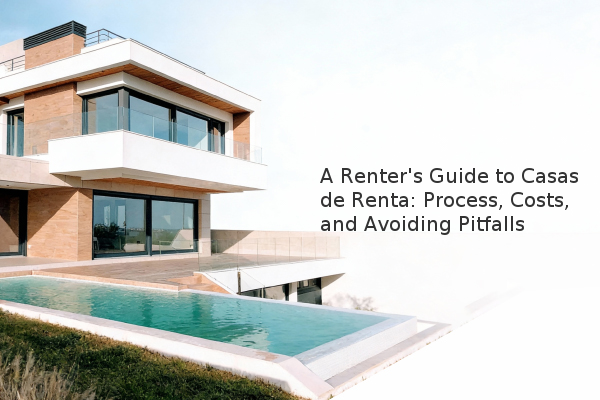
Navigating the rental market for "casas de renta" (rental houses) requires understanding the application process, budgeting for upfront costs like a security deposit, and knowing your rights as a tenant. This guide provides a clear, step-by-step overview to help you find and secure a single-family home for rent, from the initial search to signing the lease agreement, while highlighting common pitfalls to avoid.
The journey to securing a rental house typically follows a structured path. It begins with defining your budget and desired location. Once you start viewing properties, be prepared to move quickly in a competitive market. The most critical step is the application process, where landlords will screen your rental history, credit score, and income. Landlords often require proof of income that is three times the monthly rent. After application approval, you'll review and sign the lease agreement, a legally binding contract outlining the terms of your tenancy. It is essential to read this document thoroughly before signing.
Before moving in, you will need to pay several upfront costs. These almost always include the first month's rent and a security deposit, which is a refundable sum of money held by the landlord to cover any damages beyond normal wear and tear. Some properties may also require last month's rent upfront or a non-refundable application fee. Understanding this financial commitment is crucial for effective budgeting.
Beyond the monthly rent, prospective tenants must account for several one-time and recurring expenses. Creating a detailed budget prevents unexpected financial strain. The table below outlines common costs associated with renting a house.
| Cost Type | Typical Amount | Description |
|---|---|---|
| Security Deposit | 1x - 2x Monthly Rent | Refundable amount held for damages. |
| First Month's Rent | Full Rent Amount | Paid before move-in. |
| Application Fee | $30 - $75 per applicant | Non-refundable fee for credit/background checks. |
| Pet Deposit / Fee | Varies (e.g., $200 - $500) | Refundable deposit or non-refundable fee for pets. |
Additionally, you must consider utilities. Unlike some apartments, rental houses often require tenants to set up and pay for all utilities directly, including water, gas, electricity, trash collection, and internet. It's vital to ask the landlord which utilities, if any, are included in the rent. Always request a written list of utility responsibilities before signing the lease. Furthermore, renters insurance is highly recommended and sometimes required by the lease. This affordable policy protects your personal belongings from theft or damage and provides liability coverage.
Unfortunately, rental scams target eager home seekers. Being vigilant is your best defense. A major red flag is a landlord who pressures you to sign a lease or transfer money without seeing the property first. Always insist on an in-person or live video tour. Be wary of listings with prices significantly below market value; if it seems too good to be true, it often is.
Another common scam involves a "landlord" who isn't the actual property owner. Verify ownership through county tax records, which are usually accessible online. Legitimate transactions will involve a formal lease agreement and secure payment methods. Avoid sending money via wire transfer or cash apps to individuals you haven't met and verified. A genuine landlord will typically expect a check or a traceable payment method for the security deposit and first month's rent after the lease is signed.
The property viewing is your opportunity to assess the condition of the home and ensure it meets your needs. Go beyond the aesthetics and check for functional issues. Test light switches, faucets, toilets, and major appliances. Look for signs of water damage, such as stains on ceilings or walls, and check for adequate water pressure.
Document the property's condition meticulously by taking date-stamped photos or videos during the walkthrough. This documentation will be crucial when comparing it to the move-out inspection to ensure the full return of your security deposit. Ask the landlord about maintenance policies—how repairs are handled and what the response time is for emergency issues. Clarifying these expectations upfront can prevent disputes later.
To successfully rent a casa de renta, start by getting your financial documents organized, thoroughly research listings to avoid scams, conduct a detailed inspection during the viewing, and carefully review the lease agreement before signing. Understanding the full financial picture, including upfront costs and ongoing utilities, ensures you can comfortably afford your new home. This proactive approach empowers you to secure a rental house that is a safe, sound, and legal place to live.