Browse

Log in / Register
 Share


The process of buying a modern home for sale in 2025 involves understanding distinct architectural features, prioritizing energy efficiency, and navigating a competitive market where smart home integration is a standard expectation. The core appeal of a modern home lies in its emphasis on open floor plans, clean lines, and sustainable materials, making it a sought-after choice for buyers valuing both aesthetics and functionality. This guide provides a factual overview of what to look for and the financial considerations involved.
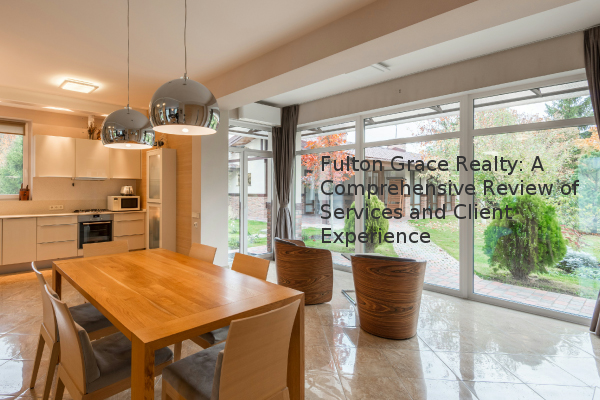
Unlike traditional homes, modern architecture prioritizes simplicity and connection to the outdoors. Key characteristics include open floor plans that create a seamless flow between living, dining, and kitchen areas. Expansive windows, often referred to as glazing, are used to maximize natural light and blend indoor and outdoor spaces. The exterior typically features a combination of materials like wood, metal, and concrete, emphasizing clean, geometric lines. Inside, you'll find minimalist design with a neutral color palette, where the architectural elements themselves are the primary decoration. Understanding these features is crucial for accurately evaluating a property listed as a "modern home for sale."
When touring a modern home, focus on the quality of construction and systems. The building envelope—the physical separator between the conditioned and unconditioned environment—is critical for energy efficiency. Check for high-performance windows and superior insulation. Inquire about the HVAC system; many modern homes utilize advanced heat pumps for both heating and cooling. Smart home integration is another significant factor, encompassing automated lighting, security, and climate control. It's also essential to verify the maintenance requirements of unique materials, such as specialized exterior siding or flat roof systems, which may differ from those of conventional homes.
| Feature | Common in Modern Homes | Consideration for Buyers |
|---|---|---|
| Roof Type | Flat or Low-Slope | Requires specific drainage and maintenance protocols. |
| Flooring | Polished Concrete, Wide-Plank Wood | Durable but may have different comfort and acoustics. |
| Energy Source | Solar Panels, Geothermal | Assess system age, ownership, and potential savings. |
| Windows | Large, Fixed & Casement | Impact on energy bills and natural ventilation options. |
The market for modern homes often commands a price premium due to the cost of high-quality materials and specialized labor. Property Tax assessments may be higher for these properties, so it's advisable to research recent assessments in the area. Given the custom nature of many modern builds, securing Title Insurance is a critical step to protect against any potential ownership disputes or building code violations from the construction phase. Financing is generally straightforward with a conventional mortgage, but an appraisal may require an evaluator familiar with modern architecture to ensure an accurate valuation based on comparable properties.
Based on our experience assessment, the resale value of a well-maintained modern home tends to be strong, particularly in markets with high demand for turn-key, energy-efficient properties. However, the buyer pool may be more niche compared to traditional-style homes. It is prudent to work with a real estate agent who has a proven track record with contemporary properties to guide you through the negotiation and purchasing process effectively.
To summarize, successfully purchasing a modern home requires a focus on specialized construction features, a thorough evaluation of energy-efficient systems, and an understanding of the unique market dynamics. By prioritizing these elements, buyers can make an informed decision that aligns with their long-term lifestyle and financial goals.