Browse

Log in / Register
 Share

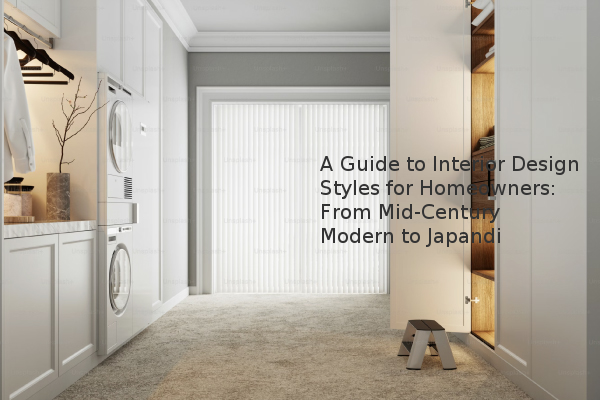
Understanding fundamental interior design styles is a practical step for homeowners looking to personalize their space or enhance their property's market appeal. This knowledge directly impacts a home's aesthetic and functional value, which can influence buyer perception and, by extension, property value. Based on our experience assessment, familiarizing yourself with key design terms can simplify decision-making, whether you're planning a renovation or preparing your home for sale.
What Are the Most Common Interior Design Styles Homeowners Should Know? Several design styles dominate residential interiors, each with distinct characteristics. Mid-Century Modern, for instance, is defined by clean lines, organic curves, and a mix of traditional and non-traditional materials. Minimalism emphasizes functionality and simplicity, often featuring a neutral color palette and a "less is more" approach to decor. Another popular style, Industrial, draws inspiration from urban lofts, showcasing raw elements like exposed brick, ductwork, and metal fixtures. Recognizing these styles helps in creating a cohesive design plan that aligns with your vision and the architectural integrity of your home.
How Can Identifying Your Preferred Style Impact Your Home's Value? While a specific design style's impact on resale value is difficult to quantify, a cohesive and well-executed aesthetic generally contributes to a positive buyer experience. A home that feels intentionally designed often appears better maintained and more move-in ready. For example, an updated kitchen with a clear, consistent style (e.g., Transitional, which blends traditional and contemporary elements) is typically more appealing than a space with conflicting design choices. The goal is to create a universally attractive environment that allows potential buyers to envision themselves living there.
What Practical Steps Can You Take to Define Your Interior Design Style? Defining your style begins with assessment and research. Start by compiling images of rooms you admire to identify recurring themes. Consider the architectural features of your own home; a style that complements its structure often yields the best results. It is also helpful to understand terms like Japandi (a fusion of Japanese minimalism and Scandinavian "hygge") and Bauhaus (a German school of design known for its emphasis on functionality and mass production). Below is a brief comparison of two prevalent styles to illustrate key differences:
| Style | Core Characteristics | Typical Color Palette |
|---|---|---|
| Coastal | Light, airy, relaxed; uses natural materials like rattan and light wood. | Whites, blues, beiges, and sandy neutrals. |
| Modern Farmhouse | Warm, rustic, family-friendly; features shiplap, large farmhouse sinks, and reclaimed wood. | Neutral bases with black and wood-tone accents. |
Conclusion Developing a working knowledge of interior design is a valuable tool for any homeowner. Begin by identifying styles that resonate with you and suit your home's architecture. Focus on creating a cohesive look throughout key areas like the living room and kitchen, as these spaces significantly influence first impressions. Remember, the most successful interiors are those that balance personal taste with broad appeal, a key consideration if a future sale is a possibility.