Browse

Log in / Register
 Share
Share
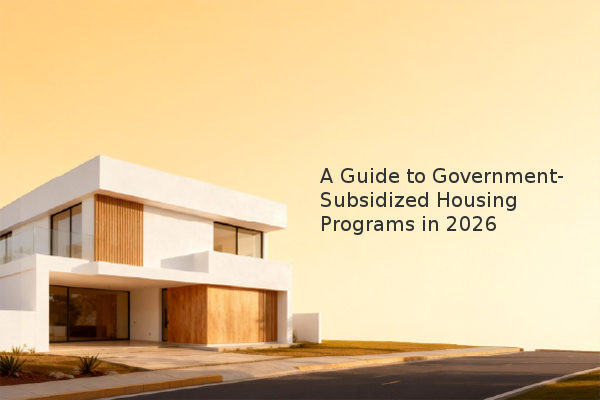
For low- to moderate-income individuals and families, government-subsidized housing is a critical resource designed to make housing costs manageable. The core conclusion is that two primary federal programs—Section 8 Housing Choice Vouchers and Public Housing—offer pathways to affordable rent, but both face significant demand, resulting in lengthy waiting lists. Navigating these systems requires understanding eligibility, application processes, and the distinct advantages and challenges of each option.
What are the main types of subsidized housing available?
Subsidized housing in the United States is primarily administered by the Department of Housing and Urban Development (HUD). The two most common forms are the Section 8 Housing Choice Voucher program and Public Housing complexes. These programs are intended for qualified low-income families, the elderly, and individuals with disabilities. The fundamental goal is to ensure that participants pay no more than 30% of their adjusted gross income towards housing costs, bridging the gap between what they can afford and the fair market rent in their area.
How does the Section 8 Housing Choice Voucher program work?
The Section 8 program provides tenants with a voucher that can be used to rent a unit from a private landlord who agrees to participate in the program. Upon qualification, tenants are responsible for paying 30% of their gross monthly income directly toward rent and utilities. The local Public Housing Authority (PHA) then pays the remaining portion of the rent directly to the landlord. This voucher is "portable," meaning it can typically be used to rent any eligible unit nationwide, not just in a specific building.
A key consideration is that landlord participation is voluntary. As an incentive, some local governments offer benefits like tax abatements to property owners who accept vouchers. However, the demand for vouchers far exceeds supply. Based on our experience assessment, waiting lists for Section 8 can be years long, and many PHAs periodically close their lists to new applicants due to overwhelming volume.
What should you know about Public Housing complexes?
Public Housing consists of apartment complexes owned and managed by local PHAs with federal support from HUD. These units are offered to eligible tenants at below-market rates. Unlike the voucher system, tenants in public housing pay rent directly to the PHA, which is also set at 30% of their adjusted gross income.
Historically, large-scale public housing projects faced challenges related to maintenance and concentrated poverty. In 2026, many of these original complexes have been redeveloped into mixed-income communities through programs like HUD's Rental Assistance Demonstration (RAD). This shift aims to create more sustainable and integrated neighborhoods. Approximately 1.2 million households currently reside in public housing, but similar to Section 8, waiting lists are common.
How can you apply for subsidized housing in 2026?
The application process begins at the local level. To apply for Section 8, you must contact your local PHA. A list of all PHAs is available on HUD.gov. The PHA will determine your eligibility based on income limits, family size, and citizenship status. For Public Housing, you apply directly through the PHA that manages the properties in your desired area.
Given the high demand, being proactive is essential. When you apply, ensure you get on all relevant waiting lists. It is also advisable to inquire with new housing developments in your area, as some may be required to set aside a number of units as affordable housing. Keep your application information current, as PHAs often purge their lists if they cannot contact applicants.
Conclusion: Key Steps to Secure Affordable Housing
Securing subsidized housing requires patience and persistence. Start your search at HUD.gov to find your local PHA and understand eligibility requirements. Apply to multiple waiting lists to increase your chances, and always respond promptly to any correspondence from housing authorities. While the process can be slow, these programs remain a vital lifeline for achieving housing stability. The most critical factor is to apply as soon as you believe you may qualify, given the extensive delays.