Browse

Log in / Register
 Share

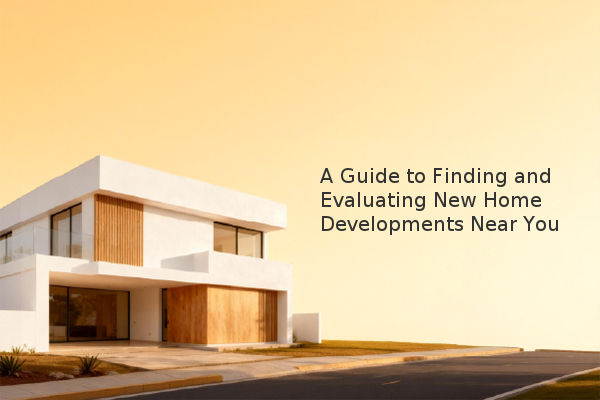
Navigating the market for new home developments requires a clear strategy focused on location, builder reputation, and understanding the long-term value. The process involves more than just selecting a floor plan; it's a significant financial decision that benefits from thorough research and a methodical approach to evaluating communities, builder credentials, and contract details. This guide provides a foundational framework for your search.
Understanding the key advantages of purchasing in a new development often centers on modern amenities, customization opportunities, and reduced immediate maintenance. Unlike existing homes, new constructions typically come with builder warranties that cover major systems and structural defects for a set period. Furthermore, you often have the chance to select design finishes, which can be a major draw for buyers seeking a personalized living space without the need for immediate renovations.
How do you start your search for new home developments in your desired area? The most effective method is to combine online resources with on-the-ground exploration. While online listings provide a broad overview, physically visiting the areas you're interested in is irreplaceable. Look for builder signs and model home centers. It's also advisable to research the master plan of the community to understand future amenities like parks, pools, and commercial centers, as these significantly impact property value and quality of life.
What criteria should you use to evaluate a home builder's reputation? A builder's track record is a critical indicator of the quality you can expect. Investigate their portfolio of completed communities and, if possible, speak to current residents. Check with your state's licensing board to ensure the builder is in good standing and search for any history of litigation. A reputable builder will be transparent about their past projects and should provide references upon request.
| Evaluation Criteria | Key Questions to Ask | Why It Matters |
|---|---|---|
| Builder History | How long have they been in business? What are past buyers saying? | Indicates stability and consistency in quality. |
| Warranty Coverage | What specific items does the warranty cover and for how long? | Protects your investment against early structural or system failures. |
| Community Amenities | Are parks, pools, and other facilities funded and guaranteed? | Impacts your lifestyle and the community's future appeal. |
What are the critical steps in the new home buying process? Once you've identified a potential development, the process typically begins with a lot reservation and the signing of a purchase agreement. It is highly recommended to have a real estate attorney review this contract before you sign. Key elements to scrutinize include the completion timeline, a clear list of included features and allowances for upgrades, and the specific terms of the warranty. Do not assume that everything you see in the model home is standard.
Securing financing for a new construction home can differ from a traditional mortgage. Many builders have preferred lenders, but it is essential to shop around for the best mortgage rates and terms. Construction loans are sometimes used if you are building a custom home on your own lot, but for a development home, a standard mortgage is typical, often timed to close upon the home's completion. Getting pre-approved before you start serious shopping clarifies your budget and strengthens your position.
Making an informed decision requires balancing your desires with practical considerations. While a stunning model home can be persuasive, base your decision on the quality of construction, the builder's reputation, and the long-term health of the community. Always invest in an independent home inspection, even for a brand-new property, to identify any potential issues before the final walk-through.
In summary, a successful purchase in a new home development hinges on diligent research.