Browse

Log in / Register
 Share
Share
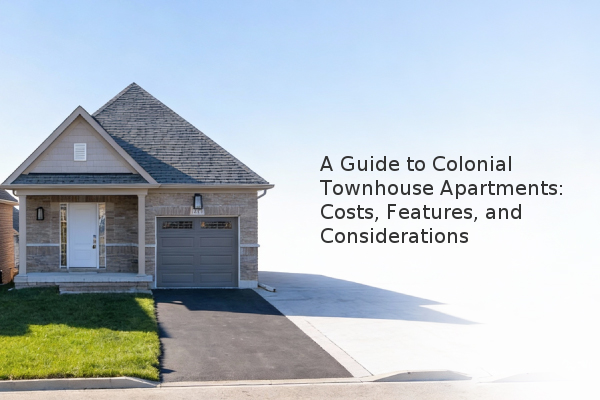
Colonial townhouse apartments offer a unique blend of historical architectural charm and the convenience of multi-family living. These properties are characterized by their distinct, period-inspired exteriors paired with interiors that may be subdivided into individual rental units. For potential buyers or tenants, the key considerations involve understanding the specific maintenance responsibilities of a townhouse-style structure, the potential for homeowners association (HOA) fees, and the balance between historic appeal and modern amenities. This guide provides an objective overview of what to expect in the current market.
A Colonial townhouse apartment is typically part of a larger building designed in a Colonial architectural style, often found in historic districts of cities like Boston, Philadelphia, or Washington D.C. The term townhouse refers to a multi-level dwelling that shares one or more walls with adjacent properties. When this structure is internally divided into separate rental or owned units, each is considered an apartment. Key architectural features often include brick or wood clapboard exteriors, symmetrical windows, gabled roofs, and decorative crown moldings inside. Unlike a freehold property, where the owner has outright ownership of the land and building, these apartments are often condominiums, meaning you own the interior space individually while sharing ownership of common areas with other residents.
| Feature | Typical Characteristic |
|---|---|
| Architectural Style | Georgian, Federal, or Dutch Colonial influences |
| Layout | Multi-story (e.g., two or three floors) |
| Ownership Structure | Often a Condo or Co-op |
| Common Elements | Shared exterior, roof, possibly a courtyard |
The financial aspect is a critical factor. The purchase price or rental rate for a colonial townhouse apartment can vary significantly by location and condition. Beyond the base cost, you must account for monthly HOA fees. These fees cover shared expenses like exterior maintenance, roof repairs, landscaping, and master insurance policies. It is essential to review the HOA's financial health and rules before committing. Additionally, property taxes are calculated based on the local property tax rate and the assessed value of your unit. As a general guide, property tax rates can range from 0.5% to over 2% of the home's value annually, depending on the state and municipality.
Choosing a colonial townhouse apartment involves trade-offs. The primary advantage is often the historical charm and character, which can be difficult to find in new constructions. Many are located in walkable, established neighborhoods with high demand. However, the potential drawbacks are substantial. Shared walls can mean less privacy and potential for noise from neighbors. Renovations may be restricted by historical preservation guidelines or HOA rules, and older buildings can harbor issues like outdated electrical wiring or plumbing systems that require costly updates. A thorough inspection is non-negotiable.
Based on our experience assessment, the market for unique properties like colonial townhouse apartments remains strong in desirable urban areas. Their limited supply and distinctive appeal can make them competitive, sometimes leading to prices above those of standard apartments. For investors, they can offer attractive rental yields due to their desirability. It is advisable to consult recent local market reports for the specific city you are targeting, as trends can differ dramatically from one downtown historic district to another.
In summary, colonial townhouse apartments present a compelling option for those seeking character and location. The critical steps are to thoroughly investigate the HOA's financials and rules, budget for potential higher maintenance costs associated with older buildings, and secure a specialized home inspection to uncover any hidden issues before finalizing a purchase or lease agreement.