Browse

Log in / Register
 Share
Share
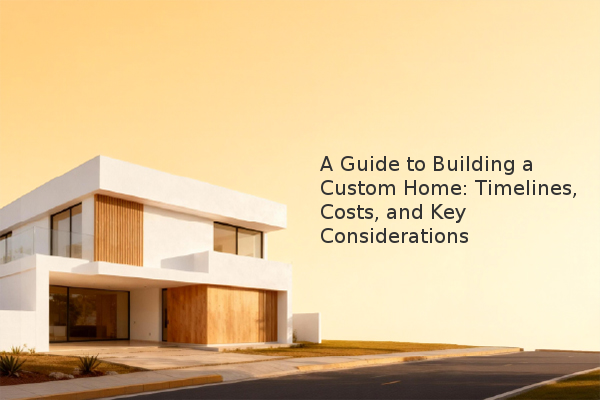
Building a custom home is a significant undertaking that involves careful planning, substantial investment, and a clear understanding of the process from groundbreaking to the final walkthrough. While the journey can be complex, being well-informed about the key stages, financial commitments, and common challenges can lead to a successful outcome and your dream home. The core timeline for a custom build typically spans 18 to 24 months, with costs varying significantly based on location, size, and specifications.
What are the main phases of building a custom home? The custom homebuilding process is methodical, progressing through several distinct phases. It begins with the planning and design stage, where you secure a lot, work with an architect on blueprints, and obtain the necessary permits—a process that can take several months. Following this is the site preparation and foundation phase, where the land is cleared, graded, and the foundation is poured. The next major stage is rough construction, often called the "drying-in" phase, where the frame, roof, windows, and doors are installed, giving the structure its basic shape. After the shell is secure, the focus shifts to installing major systems like electrical wiring, plumbing pipes, and HVAC ductwork within the walls. Once the walls are closed up with drywall, the interior finishes—such as flooring, cabinetry, countertops, and painting—are completed. The final stages involve exterior work like landscaping and paving, followed by a detailed final inspection and walkthrough with your builder to address any last items.
How much does it cost to build a custom home? The cost of a custom home is highly variable, but based on current construction data, you can expect an average base cost of $150 to $400 per square foot. This wide range is influenced by the home's location, the quality of materials, and the complexity of the design. For a 2,500-square-foot home, this translates to a base cost of approximately $375,000 to $1,000,000. It is critical to budget for additional expenses beyond the construction contract. These often include fees for architects and engineers, permit costs, landscaping, and a contingency fund of 10-15% to cover unforeseen issues. Securing construction financing, which is different from a standard mortgage, is a crucial early step in the process.
What should you consider when choosing amenities and interior design? Your choice of amenities and interior finishes personalizes the home but also significantly impacts the budget and timeline. Popular custom features include dedicated spaces like home theaters, game rooms, or wet bars. Practical considerations, such as a pet washing station or a spacious laundry room with custom tiling, add daily convenience. When selecting finishes, establishing a cohesive aesthetic, such as a monochromatic color scheme, can create a unified look throughout the home. High-impact elements like a statement marble backsplash in the kitchen or specific flooring choices should be selected early, as they can influence other design decisions. It's advisable to finalize these selections during the design phase to avoid costly changes later.
What are the final steps before moving in? The final phase of construction involves completing exterior elements and ensuring all interior systems are fully operational. The arrival of landscaping elements, such as the installation of a lush lawn, brick plant beds, and mature trees, often signals that the project is nearing completion. Similarly, the finishing of outdoor amenities like a swimming pool or spa marks a major milestone. Internally, the builder will conduct a series of checks on all electrical, plumbing, and HVAC systems. The most critical step is the final walkthrough, where you and the builder inspect the property room by room to create a "punch list" of any minor items that need correction before closing.
Building a custom home requires meticulous planning and a reliable team. By understanding the phased approach, creating a realistic budget with a contingency fund, and making design choices early, you can navigate the complexities of the process. The key to a successful build is clear communication with your architect and builder from start to finish.