Browse

Log in / Register
 Share
Share
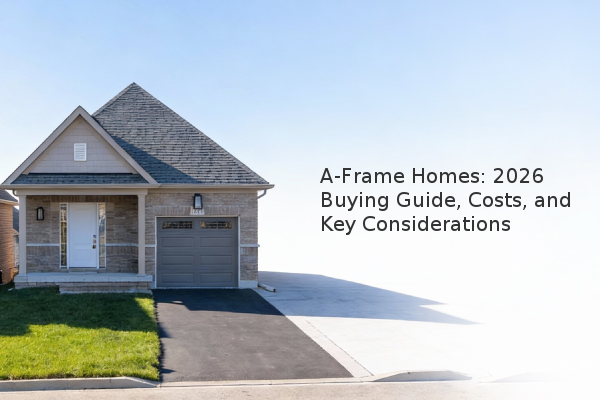
A-frame homes represent a unique niche in the real estate market, characterized by their steeply angled roofs that form the shape of the letter 'A'. For buyers in 2026 seeking a vacation property or a primary residence with distinct architectural charm, an A-frame can be an attractive, though specialized, investment. Based on our experience assessment, the key advantages include their often-rustic aesthetic, efficient use of space, and frequent placement in desirable natural settings. However, potential drawbacks like specific maintenance needs and unconventional floor plans require careful consideration. The decision to purchase an A-frame home hinges on a buyer's lifestyle preferences and willingness to manage its unique characteristics.
An A-frame home is a style of architecture distinguished by a steeply sloping roof that begins at or near the foundation line and meets at the top as a ridge, forming a triangle. This simple design, often utilizing a freehold ownership structure where the homeowner owns the building and the land it sits on outright, is inherently strong and efficient at shedding snow and rain. First popularized in the mid-20th century, these homes are often, though not exclusively, found in mountainous or wooded areas and near bodies of water, making them popular as vacation properties. The interior typically features an open floor plan with vaulted ceilings that create a sense of spaciousness, though upper-level loft spaces are common.
Purchasing an A-frame home involves several specific considerations beyond a standard property transaction. The roof is the most critical component; its age, material, and structural integrity must be thoroughly inspected due to the central role it plays in the home's stability. Potential buyers should also evaluate:
The price of an A-frame home varies dramatically based on location, size, condition, and land acreage. As of 2026, listings can range from under $100,000 for a rustic, smaller cabin needing updates to over $695,000 for properties in premium locations with modern amenities. For example, a compact two-bedroom A-frame in central Maine might be listed for approximately $211,000, while a similar-sized home with panoramic ocean views in Santa Barbara, California, could command a price near $695,000. Location remains the single most significant factor influencing an A-frame's market price.
The distinctive charm and typically scenic locations of A-frame homes make them strong candidates for vacation rentals. Their photogenic quality can attract guests seeking a unique getaway. To assess its investment potential, a buyer should research:
Prospective buyers should thoroughly research local market conditions and consult with a real estate professional specializing in unique properties. The appeal of an A-frame is undeniable, but a successful purchase requires a clear-eyed evaluation of its practicalities. Focus on the property's structural integrity, location, and alignment with your long-term goals, whether for personal use or as an income-generating asset.