Browse

Log in / Register
 Share
Share
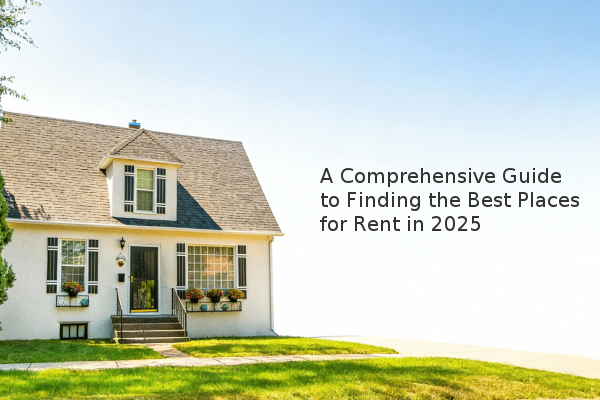
Finding the right place to rent requires a strategic approach that balances budget, location, and lifestyle needs. This guide provides a clear, step-by-step framework to streamline your search, from initial budgeting to signing the lease, helping you avoid common pitfalls and secure a rental that fits your life.
The cornerstone of a successful rental search is establishing a realistic budget. A common guideline is that your gross monthly income should be at least three times the monthly rent. However, this is just a starting point. You must also factor in additional costs, such as a security deposit (often equal to one month's rent), application fees, and potential moving expenses. Crucially, remember to account for utilities like electricity, gas, water, internet, and renter's insurance, which is highly recommended to protect your personal property. Creating a detailed monthly budget will prevent you from becoming "house-poor" and ensure you can comfortably afford your new home.
| Monthly Gross Income | Recommended Max Rent (3x Rule) | Estimated Additional Costs (Utilities, Insurance) | Total Monthly Housing Cost |
|---|---|---|---|
| $4,500 | $1,500 | $200 - $400 | $1,700 - $1,900 |
| $6,000 | $2,000 | $250 - $450 | $2,250 - $2,450 |
| $7,500 | $2,500 | $300 - $500 | $2,800 - $3,000 |
What type of rental property best suits your needs? The US rental market offers several primary options. An apartment is a unit within a larger building, often offering amenities like a gym or pool but with shared walls. A condominium (Condo), while similar to an apartment, is typically individually owned and may offer more unique features. A single-family home is a stand-alone structure offering more privacy and space, usually with its own yard. Finally, a townhouse is a multi-floor home that shares one or two walls with adjacent properties, blending aspects of a house and an apartment. Your choice will significantly impact your living experience, privacy, and cost.
How can you effectively navigate the rental listing process? Once your budget and property type are defined, the real search begins. Be prepared to act quickly in competitive markets. When you find a promising listing, conduct thorough research on the neighborhood, considering commute times, school districts, and proximity to essential services like grocery stores. Virtual tours are helpful, but an in-person visit is irreplaceable for assessing the property's true condition. During the tour, check for functional necessities: test water pressure, open windows, inspect appliances, and look for signs of pests or water damage. This due diligence can save you from significant headaches later.
What are the critical elements to review before signing a lease agreement? The lease agreement is a legally binding contract that outlines the terms of your tenancy. Read every line carefully. Key items to verify include the rent amount and due date, the duration of the lease (typically 12 months), policies on pets and subletting, and procedures for maintenance requests. Pay close attention to the sections on the security deposit, specifically the conditions under which it may be withheld. Before signing, document the property's condition with photos or a video walkthrough, and ensure any pre-existing damage is noted in writing. This protects you from being held responsible for issues that were present before you moved in.
Securing a great rental is a systematic process. By defining a clear budget, understanding different property types, conducting diligent property tours, and scrutinizing the lease agreement, you position yourself to make an informed and confident decision. This methodical approach significantly increases your chances of finding a place for rent that you will be happy to call home.