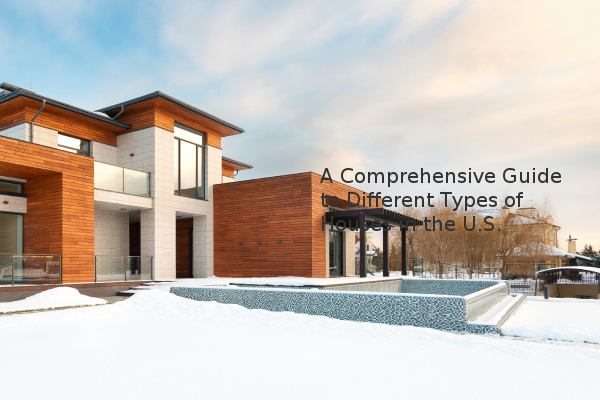
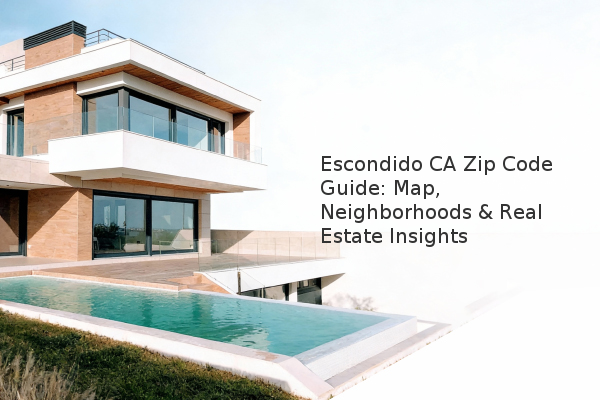
Understanding the different types of houses available is the first critical step in making an informed home-buying decision. This guide provides a clear overview of 27 common residential structures, from standard single-family homes to innovative 3D-printed dwellings. The right home type for you will depend on your budget, lifestyle, and long-term goals, whether that's investment potential, minimal maintenance, or architectural uniqueness.
What Are the Most Common Standard Home Types?
The majority of U.S. housing stock falls into a few primary categories, each with distinct ownership structures and maintenance responsibilities.
- Single-Family Home: This is a standalone, detached residence designed for one family. It is the most popular home type in the U.S., with approximately 82% of homeowners living in one. The homeowner owns the building and the land it sits on, granting full control over the property but also requiring responsibility for all maintenance.
- Condominium (Condo): A condominium is a private unit within a larger building or community that is owned outright by the resident. Common areas like lobbies, gyms, and pools are jointly owned and managed by a Homeowners Association (HOA), which collects monthly fees for upkeep. Condos are ideal for those seeking homeownership without the exterior maintenance of a house.
- Townhouse: A townhouse is a multi-level home that shares one or two walls with adjacent properties but has its own private entrance. They often feature small outdoor spaces and may be part of an HOA. This style offers a balance between the privacy of a single-family home and the community living of a condo.
- Multi-Family Home: This is a single building designed to house multiple separate families. Duplexes (two units) and triplexes (three units) are common examples. Owners often live in one unit and rent out the others, making this a popular entry point for real estate investors.
What Alternative and Non-Traditional Housing Options Exist?
Beyond standard structures, a growing number of buyers are exploring unique and sustainable living solutions.
- Accessory Dwelling Unit (ADU): An ADU is a secondary, smaller residence on the same lot as a primary single-family home. Often called a granny flat or carriage house, it cannot be sold separately but can be used for rental income or to house family members.
- Manufactured Home: Previously known as mobile homes, these are houses built entirely in a factory on a permanent chassis. They are transported to a site and placed on a rented lot in a community or on private land. HUD Code standards have governed their construction since 1976, ensuring safety and quality.
- Tiny Home: As part of a movement toward minimalist living, tiny homes are typically between 100 and 400 square feet. They can be built on a foundation or on wheels, offering an affordable and low-maintenance lifestyle.
- Passive House: This is a rigorous, voluntary standard for energy efficiency. A certified Passive House is designed to be so well-insulated and airtight that it requires minimal energy for heating or cooling, significantly reducing its environmental impact and utility costs.
How Do Co-operative and Shared Ownership Models Work?
Some home types involve unique legal and financial arrangements for ownership.
- Co-operative (Co-op): In a co-op, residents do not own their individual units. Instead, they own shares in a corporation that owns the entire building. A proprietary lease grants them the right to occupy a unit. Co-ops are common in expensive urban markets and involve a board approval process for buyers. While sometimes more affordable than condos, they often have stricter rules and higher monthly maintenance fees.
- Tenancy in Common (TIC): A TIC is not a house style but a form of shared ownership. Two or more people jointly hold the title to a property, which can be any type of home. Each tenant can own a different percentage share and has the right to sell their share without the consent of the others, offering flexibility for group purchases.
To choose the best home type, start by evaluating your priorities. Consider your budget for both the purchase price and ongoing costs like HOA fees or property taxes. Think about your desired level of maintenance, space requirements, and whether you value community amenities. Consulting with a local real estate agent can provide invaluable, market-specific insights to guide your decision.


 Share
Share