Browse

Log in / Register
 Share

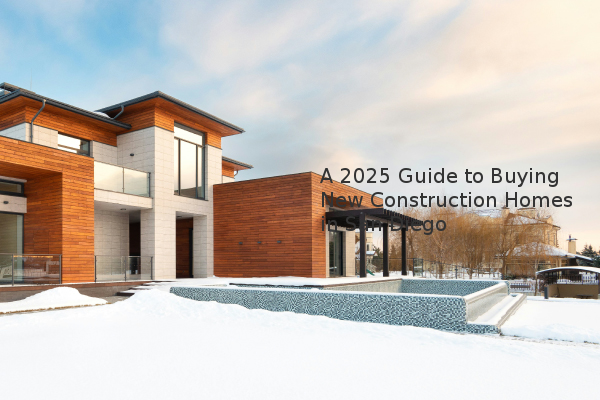
Buying a new construction home in San Diego involves navigating a unique process distinct from the traditional resale market, with key considerations including builder reputation, lot selection, and potential for appreciation in specific master-planned communities. For 2025, the core advantage lies in modern energy-efficient designs, reduced immediate maintenance, and the ability to customize finishes, though this often comes at a premium price compared to existing homes.
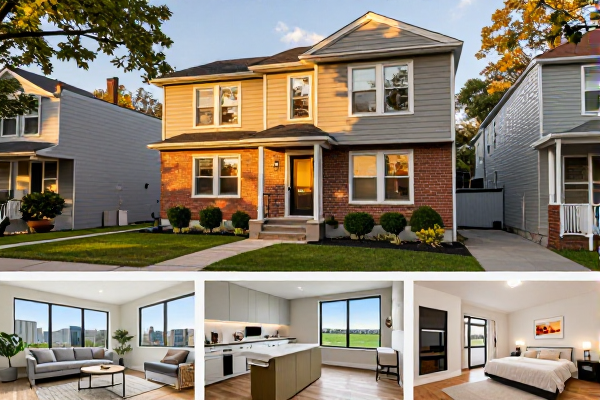
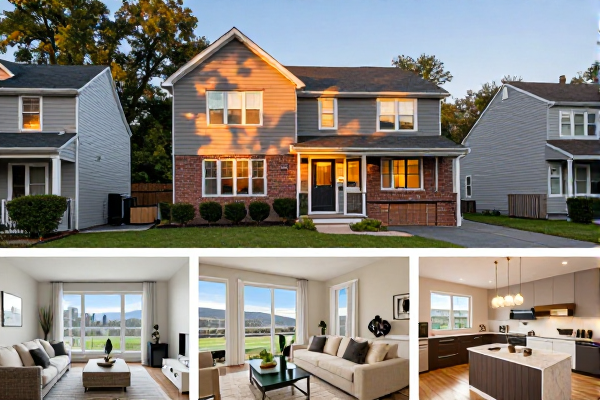
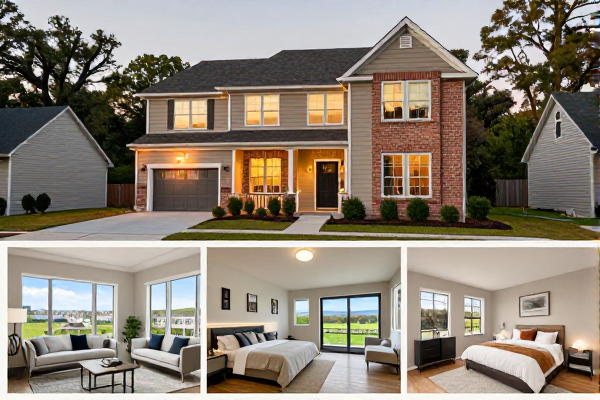
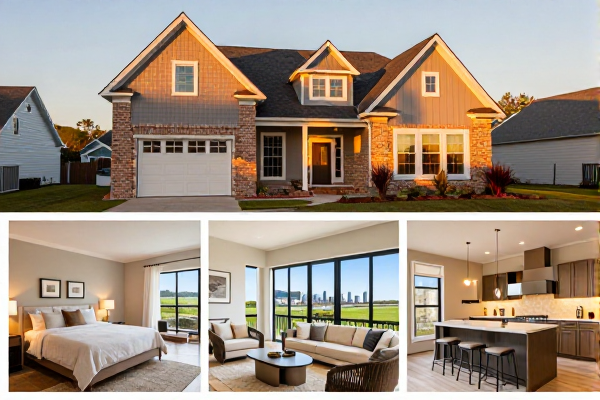
A new construction home is a property that has never been occupied before, typically built by a development company. Unlike existing homes, these properties are built to current building codes, offering modern layouts and technologies. In San Diego, this includes everything from single-family residences in master-planned communities like Del Sur or Civita to infill townhome projects closer to urban cores. The primary benefit is the warranty coverage provided by the builder, which protects against construction defects for a set period. However, the buying process is more akin to a business transaction with a corporation than a negotiation with an individual seller.
The process for purchasing a new home in San Diego is fundamentally different. Instead of making an offer on a completed house, you often select a lot and a floor plan from the builder's inventory. Negotiation is less about the sale price and more about included upgrades, closing cost incentives, or lot premiums. A critical step is hiring your own independent home inspector to conduct phased inspections during construction, not just a final walk-through. This ensures issues are caught before walls are closed up. It's also vital to understand that timelines are estimates; construction delays due to supply chain issues or weather are common and can impact your move-in date.
The financial aspects extend beyond the base price of the home. Buyers must budget for upgrades, which are selections for flooring, countertops, and fixtures that can significantly increase the final cost. Additionally, new construction often comes with supplemental property taxes in California. After the sale, the county will reassess the property based on the sale price, which can result in a one-time supplemental tax bill. It's also essential to secure financing early; some builders have preferred lenders who may offer incentives, but it's wise to compare their rates with other lenders. Below is a comparison of potential upfront costs.
| Cost Component | New Construction Home | Resale Home |
|---|---|---|
| Sale Price | Base price + upgrades | Negotiated price |
| Closing Costs | May include builder fees | Standard lender/title fees |
| Immediate Updates | Minimal to none | Can be significant |
| Property Taxes | Based on new assessment | Based on previous assessment |
San Diego's new home market is concentrated in several key areas, each with distinct characteristics. North County inland areas like San Marcos and Oceanside offer more affordable, larger single-family homes in family-friendly master-planned communities. For urban living, downtown San Diego and surrounding neighborhoods feature high-rise condos and townhomes with proximity to employment centers. Coastal areas like University City have new attached homes that provide access to top-rated schools and tech hubs. Your choice should balance budget, lifestyle needs, and commute times, as location is the one feature you cannot change later.
To navigate the new home market successfully, prioritize researching the builder's track record for quality and customer service. Always secure independent inspections at critical construction milestones and carefully review the warranty details. Finally, work with a real estate agent experienced in new construction transactions, as their expertise can provide invaluable guidance on incentives and protect your interests throughout the process.