Browse

Log in / Register
 Share

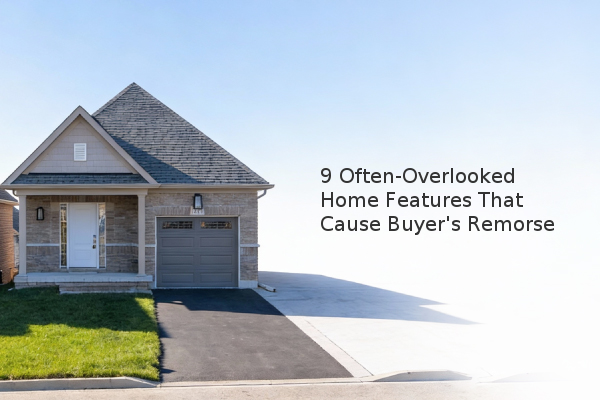
Buyer's remorse often stems from overlooking critical, yet easily missed, features of a home and its neighborhood. To avoid this, focus on unchangeable factors like location, lot size, and floor plan, and conduct due diligence beyond the standard home inspection. Key considerations include testing your commute, understanding HOA rules, and evaluating the home's long-term suitability for your needs. This guide outlines the essential, often-ignored details that can make or break your satisfaction with a new home.
A community can transform after dark. Driving through the neighborhood at night, especially on a weekend, reveals aspects invisible during a daytime viewing. Based on our experience assessment, this is not just about safety; it’s about understanding the living environment. You might discover persistent noise issues, challenging parking situations due to crowded households, or a different overall ambiance. Visiting after sunset provides a complete picture of what daily life will truly be like, helping you avoid unpleasant surprises related to noise, traffic, or neighbor behavior.
Never estimate your commute based on a map app alone. Traffic patterns, road construction, and school zones can create unexpected delays. The most reliable method is to physically drive the route during your typical morning and evening travel times. If possible, test alternate routes as well. This real-world test can uncover gridlock or other issues that could significantly impact your daily routine and quality of life, making it a vital step before finalizing a purchase.
If the property is part of a Homeowners Association (HOA), you will receive a document called the Conditions, Covenants, and Restrictions (CC&Rs). These rules govern what you can and cannot do on your property. For example, CC&Rs might prohibit certain exterior paint colors, fence styles, or parking recreational vehicles like RVs in the driveway. Carefully reviewing the CC&Rs is non-negotiable; a rule that seems minor to one person could be a major inconvenience for another, directly affecting your enjoyment of your home.
Your investment strategy could be hindered by HOA regulations. Some associations completely prohibit rentals, while others may allow only long-term leases (e.g., one-year minimum) and ban short-term rentals like Airbnb. Confirm the HOA's rental policy before you buy if you have any intention of generating rental income in the future. This foresight prevents a scenario where your plans are thwarted by rules you agreed to but did not fully understand.
While personal needs vary, a functional layout is key. A common expectation is a master suite with a private bathroom, plus at least one additional full bathroom for other bedrooms. Furthermore, a powder room, or half-bath, on the main floor for guests is highly desirable. Homes with more bathrooms typically hold their resale value better and offer greater convenience for families. You are unlikely to regret having an extra bathroom, but a shortage can be a daily frustration.
A general home inspection is standard, but it may not be sufficient. Properties with unique features require a specialist’s evaluation. This includes homes with septic systems, private wells, solar panels, or pools. A general inspector can identify surface issues, but a specialist can assess the long-term health and functionality of these complex systems, potentially saving you from expensive repairs down the line.
It's easy to be captivated by fancy upgrades like a smart home system or a luxury appliance package. However, the value of a house is primarily derived from elements you cannot easily alter: the location, the lot size and orientation, and the fundamental floor plan. A beautiful house on a bad lot, such as one adjacent to commercial property or power lines, will always have that drawback. Prioritize the permanent features over the cosmetic ones when making your decision.
Even if a particular issue doesn't bother you, it could significantly limit your buyer pool when you sell. A home backing to a busy road, having an unusual layout, or being the most expensive house in a modest neighborhood are examples of functional obsolescence that can deter future buyers. Purchasing a home with a known challenge inherently narrows its market appeal, potentially leading to a longer selling time or a lower final sale price.
To build equity, homeowners typically need to stay in a property for several years. Therefore, consider your potential needs over a five to seven-year horizon. Could a spare bedroom become a home office? Is the yard suitable for children or pets? While you shouldn't overextend your budget, buying a home you might outgrow in just a few years can lead to the need for a premature and costly move. Planning for future life stages is a key part of a sound investment.
In summary, the most effective way to prevent buyer's remorse is to conduct thorough, proactive research. Key steps include: reviewing all HOA documents, performing day and night neighborhood visits, testing your commute, and investing in specialty inspections for complex systems. Ultimately, your focus should be on the home's unchangeable traits, as these will have the greatest impact on your long-term happiness and the property's financial performance.