Browse

Log in / Register
 Share
Share
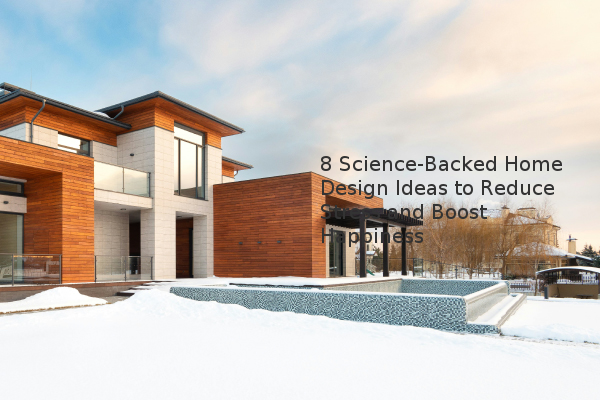
Creating a home that actively reduces stress and promotes well-being is more valuable than ever. Based on our experience assessment, simple, intentional design changes can significantly impact your mood. By incorporating principles of color psychology, biophilic design, and mindful organization, you can transform your living space into a true sanctuary. The most effective strategies involve leveraging natural light, decluttering, and using colors and materials that have a proven psychological effect.
Marketing companies study color psychology for a reason: different hues directly affect your emotional state. Colors are generally categorized as warm or cool, each producing different effects. Cool colors like blues and greens are known to be relaxing and rejuvenating, making them ideal for bedrooms or bathrooms. In contrast, warm colors like reds and purples are energizing and stimulating, which can be a good choice for a home office or living room area designed for conversation. White, by reflecting light, can make a small space feel larger and more open, combating feelings of confinement.
Several straightforward adjustments can make your home feel more serene. One effective method is to choose furniture with soft, round edges, which subconsciously signal relaxation and comfort compared to sharp, angular lines. If you have boxier furniture, adding throw blankets and pillows can soften the hard lines.
Another powerful concept is biophilic design, which incorporates natural elements to connect us with nature indoors. Studies conducted within the last two years suggest this approach can improve sleep and reduce stress. Consider replacing synthetic materials like polyester with natural fabrics like cotton, silk, or wool. Introducing live plants is a key part of this; they boost mood, productivity, and even clean the indoor air by absorbing toxins.
| Design Element | Primary Benefit | Ideal Placement |
|---|---|---|
| Cool-Toned Colors (Blue, Green) | Promotes Relaxation | Bedrooms, Bathrooms |
| Live Plants | Improves Air Quality, Reduces Stress | Living Room, Home Office |
| Round-Edged Furniture | Creates a Sense of Calm | Living Areas |
Light exposure plays a critical role in regulating our sleep cycles and energy levels. Welcoming natural daylight through large windows is one of the most transformative design ideas. If your home has small windows or you live in a cloudier climate, use lamps with full-spectrum or halogen bulbs to mimic natural light and maintain a healthy circadian rhythm.
To combat the stress caused by clutter, embracing a more minimalist approach can be highly effective. The principle of "less stuff, less stress" holds true, as reducing visual clutter directly correlates to lower anxiety. This involves setting rules: only buying necessary items, discarding unused possessions, and staying organized. For a more significant project, consulting a professional organizer can be a worthwhile investment. Additionally, strategically placed mirrors can create an illusion of more space, making a room feel brighter and less cramped, which is especially useful in smaller rooms.
Two often-overlooked senses, scent and sound, are powerful mood influencers. Our brains strongly associate scents with memories and emotions. Incorporating calming scents like lemon and lavender through candles or essential oil diffusers can fight off gloomy feelings. For an energy boost, consider jasmine or rosemary. To enhance the feeling of tranquility, plants and soft textiles can also help absorb excess noise.
To successfully create a stress-reducing home: focus on introducing natural elements, prioritize natural light, conquer clutter, and use color intentionally. You may find that implementing just one or two of these science-backed ideas significantly improves your daily mood. If the process feels overwhelming, enlisting the help of an interior decorator familiar with well-being principles can provide valuable guidance for your specific space.