Browse

Log in / Register
 Share


For homeowners planning to sell in 2026, avoiding specific outdoor landscaping trends is critical to attracting buyers. Based on our experience assessment, overly manicured lawns, generic tree choices, and high-maintenance features can significantly deter potential purchasers. The core objective is to create a low-maintenance, natural-looking outdoor space that allows buyers to envision their future leisure time. Focusing on simplicity, native plants, and strategic lighting will yield a better return than investing in elaborate, personalized designs.
What is the problem with geometric or rigid landscaping? Modern homebuyers strongly prefer a natural, organic aesthetic over rigid, formal layouts. "Nature isn't geometric or straight, so don't plant your yard that way," recommends a professional landscaper. Instead of straight lines, incorporate curved planting beds or a gently winding pathway using materials like slate or brick. This approach creates a softer, more inviting appearance that feels more integrated with the environment, which is more appealing to the contemporary market.
Why should you avoid planting common, inexpensive trees? While yews and dwarf Alberta spruces were once standard for their affordability and hardiness, today's buyers appreciate more thoughtful, strategic tree selection. Opt for species like eastern red cedar or sugar maple that are suited to your region. A key consideration is placement; avoid planting large trees too close to your home's foundation or property line. Branches can damage roofs during storms, and debris can create disputes with neighbors. Choosing the right tree for the right place minimizes future maintenance issues, a significant selling point.
How can outdoor lighting negatively impact a sale? Proper outdoor lighting enhances safety and ambiance, but overly bright or poorly directed fixtures are a major drawback. Overly bright, motion-activated lights that shine into neighboring windows are a frequent complaint. To avoid this, use bulbs within a 50 to 75-watt range and ensure they are appropriate for the fixture. The goal is to highlight key features of your yard subtly, not to illuminate it like a commercial property. Well-planned lighting feels welcoming, not invasive.
What are the issues with using colored mulch? While red or black mulch is marketed for its visual punch and potential to retain heat, it can be a turnoff for environmentally conscious buyers. Natural bark mulch is a safer and more appealing choice. Colored mulches often decompose slower and can be more susceptible to fungus, which may spread to nearby plants. Furthermore, some tinted mulches can tie up nutrients in the soil, potentially stunting plant growth. Natural mulch is perceived as more authentic and lower maintenance.
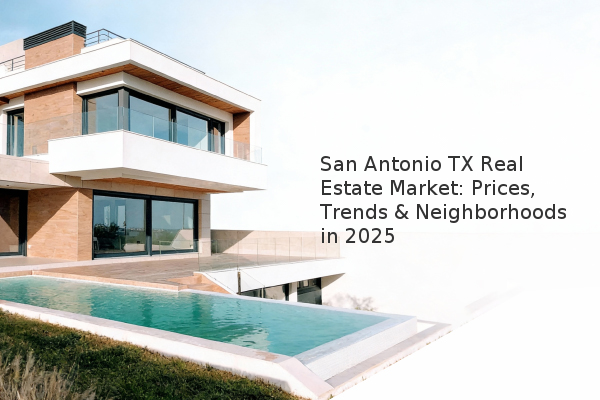
Are water features like pools a good investment when selling?
The appeal of a water feature is highly regional and comes with significant considerations. Installing an in-ground pool represents a major investment, often exceeding $30,000 according to recent industry assessments. In non-core pool states, this investment is unlikely to be fully recouped. Beyond cost, families with young children may see a pool as a safety hazard. Even smaller features like ponds attract insects and require consistent upkeep. For most markets, a water feature does not provide a positive return on investment and may limit your buyer pool.
Does over-the-top landscaping help or hurt a home's appeal? Elaborate gardens with sculpted trees and deep flower beds may look impressive but can signal excessive work to a buyer. What the current owner views as a enjoyable hobby may be seen as weekend drudgery by someone else. Modern homeowners overwhelmingly prefer simpler, sustainable designs with fewer plants to water, fertilize, and prune. Overwrought plantings are a trend of the past. Focus on creating a pleasant, manageable space that feels like a retreat, not a part-time job.
Why are huge lawns falling out of favor? The classic, expansive lawn wrapped around a home is no longer the ideal for many buyers, especially in water-conscious regions. Large lawns require frequent mowing, watering, and chemical treatments. A more contemporary and sustainable approach involves reducing lawn space in favor of native, drought-resistant plants. This xeriscaping technique, which uses landscaping to reduce water needs, adds unique flair, lowers maintenance costs, and is better for the environment. It creates a landscape that complements the home's architecture and local ecosystem.
To maximize your home's curb appeal in 2026, prioritize low-maintenance, natural designs. Select native plants, use subtle lighting, and choose natural mulch. The most successful outdoor spaces are those that feel like an easy, seamless extension of the home, not a high-maintenance project. By avoiding these seven common mistakes, you present a property that feels move-in ready and appealing to the broadest range of potential buyers.