Browse

Log in / Register
 Share

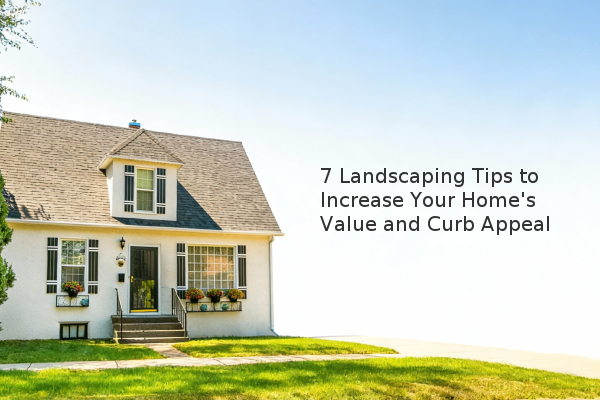
A well-maintained landscape can significantly enhance your home's curb appeal—the aesthetic attractiveness of a property as viewed from the street—and is a powerful tool for increasing property value. Based on our experience assessment, implementing strategic landscaping improvements can yield a strong return on investment. The following seven actionable tips focus on building a healthy, sustainable, and visually appealing yard that contributes to your home's overall marketability.
Healthy soil is the non-negotiable foundation for any thriving landscape. It provides essential nutrients, water, and support for plants. Poor soil quality leads to weak plants, increasing long-term maintenance costs and decreasing aesthetic value. A professional soil test, available through your local agricultural extension office or with a DIY kit, provides a detailed analysis. This report typically includes the soil's pH level, organic matter content, and nutrient profile, offering specific recommendations for amendments like compost. Improving your soil before planting is the most effective step for ensuring long-term plant health and reducing replacement expenses.
Proper grading refers to the slope of your yard, which is critical for directing water away from your home's foundation. Incorrect grading can lead to water pooling near the foundation, which may cause leaks, moisture damage, and costly structural repairs. A fundamental rule is to ensure at least four to six inches of your foundation is visible above the soil line. The ground should slope downward away from the house at a rate of about 6 inches for the first 10 feet. If you notice water accumulation near the foundation, regrading the soil with a shovel can be a essential preventative maintenance task.
Planting the right plant in the right place is paramount for sustainability. Plants have specific light requirements, and ignoring them guarantees failure. Observe your yard throughout the day to identify areas of full sun (6+ hours of direct sun), part sun/part shade (3-6 hours), and full shade (less than 3 hours). Use this information to select plants whose tag specifications match your yard's conditions. This simple step prevents wasted money on plants that are destined to struggle and die, ensuring a lush landscape with less effort.
| Light Condition | Daily Direct Sunlight Requirement | Common Plant Examples |
|---|---|---|
| Full Sun | At least 6 hours | Coneflowers, Lavender, Salvia |
| Part Sun | 3 to 6 hours | Coral Bells, Hostas, Bleeding Heart |
| Part Shade | 3 to 6 hours (needs midday protection) | Astilbe, Ferns, Rhododendron |
| Full Shade | Less than 3 hours | Hosta, Cast Iron Plant, Pachysandra |
Trees are long-term investments that can substantially increase property value. A mature, healthy tree can have an appraised value of between $1,000 and $10,000. When selecting a tree, consider its mature size, growth rate, and resistance to pests and storms. Desirable species like Oaks, Maples, and Bald Cypress are valued for their longevity and strength. Avoid invasive or weak-wooded species like the Bradford Pear or Willow, which can become liabilities, potentially causing property damage and requiring expensive removal. Always plant trees a safe distance from your home to avoid future foundation or roof issues.
While discounted plants can be tempting, they often represent a false economy. Based on our experience assessment, starting with vigorous, healthy plants from local growers significantly increases their chances of establishment and survival. Look for plants with vibrant green leaves and signs of new growth. Avoid plants that are root-bound, wilted, or have yellowing or spotted leaves. Purchasing plants on the day your local garden center receives its shipment ensures you get the freshest stock, setting your landscape budget up for success from the start.
A common mistake is planting for a single season, resulting in a landscape that looks dull for much of the year. To maintain consistent appeal, plan for year-round interest. Incorporate a mix of plants that bloom or offer visual interest in different seasons: summer-blooming perennials like Coneflowers, fall color from Asters and ornamental grasses, and winter structure from evergreens and trees with interesting bark. This strategic approach ensures your property looks well-cared-for 12 months a year, which is particularly important if you plan to sell your home.
Incorporating drought-resistant plants is a financially and environmentally savvy landscaping strategy. These plants, which include Lavender, Yarrow, and Russian Sage, require significantly less water, reducing utility bills and maintenance time. A 2022 study indicated that home listings mentioning drought-resistant landscaping sold faster than comparable properties. While not always commanding a price premium, the water savings and reduced upkeep make these plants a wise investment for any homeowner, contributing to a sustainable and low-maintenance landscape.
To maximize your property's value, begin with a soil test and address any grading issues. Then, select healthy, appropriate plants—including valuable trees and drought-resistant varieties—to create a beautiful, low-maintenance yard that enhances curb appeal throughout the year.