Browse

Log in / Register
 Share
Share
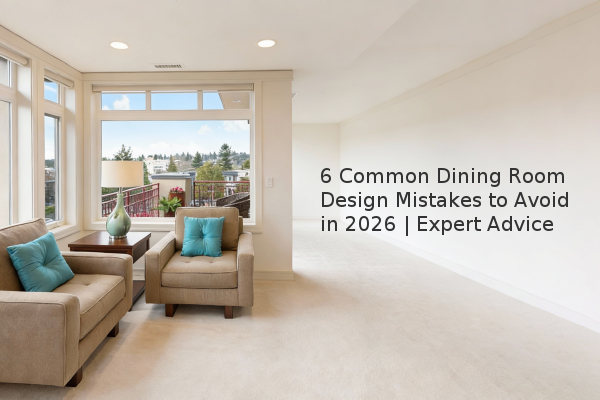
Choosing the wrong paint color, hanging lights incorrectly, or prioritizing style over comfort can turn your dining room from a welcoming space into a design liability. Avoiding these common pitfalls is crucial for creating a functional and inviting area that enhances your home's value and your daily life. Based on our experience assessment, the most frequent errors stem from poor planning and ignoring practical considerations. The key to a successful dining room design is balancing aesthetics with functionality from the start.
The most common mistake is selecting a wall color before choosing furniture. Paint is relatively easy and inexpensive to change compared to a full dining set. Furniture fabrics and finishes can look dramatically different under your home’s specific lighting conditions than they do in a showroom or online. By finalizing your table and chairs first, you ensure they become the focal point and can then select a complementary paint color with confidence. This approach prevents the costly and frustrating scenario of trying to match a custom furniture order to an already-painted wall.
Hanging a chandelier or pendant light too high is a frequent error that impacts both ambiance and function. In a dining room, the fixture should be lower than in other rooms because it hangs over a stationary table where people are seated. A light that is too high will fail to properly illuminate the table surface, leaving plates in shadow and creating a less intimate atmosphere. The bottom of the fixture should typically hang approximately 30 to 36 inches above the tabletop. This height provides ample light for dining without obstructing the view across the table.
A beautiful chair that is uncomfortable will rarely be used. The dining room is a space for lingering conversations and meals, making comfort non-negotiable. When selecting chairs, consider the seat depth, back support, and materials. While aesthetics are important, ergonomics play a more critical role in how often you and your guests will enjoy the space. Fortunately, there are numerous options on the market that successfully combine stylish design with long-lasting comfort, ensuring your dining room is both beautiful and practical.
A rug that is too small can make the entire room feel unbalanced and disjointed. The dining room rug must be large enough to accommodate all the chairs, even when they are pulled out. A good rule of thumb is to ensure the rug extends at least 24 inches beyond the edge of the table on all sides. This allows chairs to remain on the rug when guests are seated or pushing back from the table. A properly sized rug anchors the dining set and defines the space, making the room feel more cohesive and intentionally designed.
Curtains or drapes that are too short instantly cheapen the look of a room. For a polished appearance, window treatments should either just graze the floor or have a slight puddle, depending on the desired formality. In a dining room, floor-length drapes add a sense of elegance and height. The goal is to frame the window without cutting off the sight line. Short curtains can make ceilings appear lower and disrupt the room's proportions, so accurate measurement from the rod to the floor is essential.
An overly formal dining room may go unused for everyday life, which is an inefficient use of space. The emotional tone of the room is set by your design choices. To encourage regular use, aim for a warm and welcoming atmosphere. This can be achieved through a mix of textures, comfortable seating, and personal decor items. While you may incorporate formal elements, balancing them with casual touches ensures the space feels inviting rather than intimidating. A versatile dining room adapts to both casual family dinners and special occasions, maximizing its utility and enjoyment.
To implement these tips, start by measuring your space accurately and prioritizing furniture selection. Test furniture for comfort and always check return policies before purchasing. When planning lighting and layouts, use painter's tape to map out dimensions on the floor. These practical steps will help you avoid costly mistakes and create a dining room that is both beautiful and functional for years to come.