Browse

Log in / Register
 Share
Share
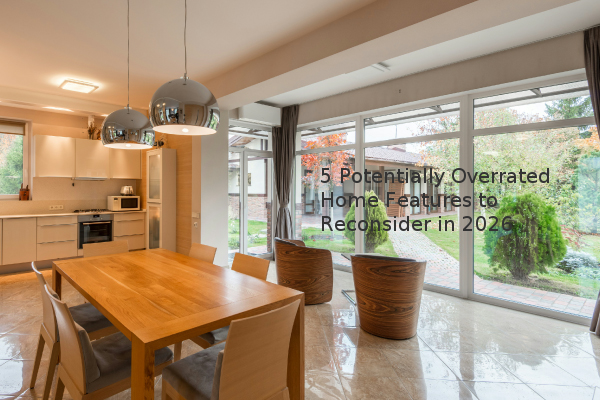
When buying or renovating a home, it's easy to be swayed by trendy features. However, based on our experience assessment, some highly-touted upgrades may not offer the practical value or return on investment (ROI) you expect. Before committing your budget, it's crucial to weigh the long-term costs and benefits. This analysis highlights five home features that, while popular, might be worth skipping to make a more informed financial decision.
Are Elaborate Outdoor Kitchens a Smart Investment?
The allure of a high-end outdoor kitchen, complete with an indoor smokeless grill, is undeniable. These setups promise restaurant-quality meals at home. However, the practicality for most homeowners is limited. In many U.S. climates, an outdoor kitchen is only usable for a few months each year. The initial installation cost can be substantial, often ranging from $5,000 to over $20,000, and requires regular maintenance to prevent weather damage. The resale value rarely recoups the full investment, especially in regions with shorter outdoor seasons. A more predictable alternative is a simple, high-quality gas grill and durable patio furniture, which provides similar enjoyment without the significant upfront cost and maintenance.
Do High-Maintenance Landscaping Features Add Value or Hassle?
The idea of cultivating your own garden or trees, like a "Grow Your Own" kit, seems like a rewarding project. In reality, specialized landscaping demands significant ongoing care, water, and expertise. Features like koi ponds, intricate flower beds, or non-native trees can become burdensome. Water-intensive landscaping can lead to high utility bills and may even violate water restrictions in drought-prone states like California or Arizona. According to the 2025 National Association of Realtors® Remodeling Impact Report, standard lawn care and the addition of native, low-maintenance plants consistently yield a higher ROI than complex, custom landscaping that may not appeal to future buyers.
Is Over-Customized Interior Design a Detriment at Sale Time?
Unique, bold design choices, such as highly specific color schemes or themed rooms, reflect personal taste but can be a liability when selling your home. A neutral palette allows potential buyers to envision themselves in the space. Over-personalization is a common pitfall that can lengthen a property's time on the market. For example, while a dedicated unicorn-themed room might be a child's dream, it requires a buyer who shares that very specific interest. Investing in timeless finishes, like classic cabinet styles and neutral wall colors, offers broader appeal and a more predictable return.
Do Smart Home Gadgets Justify Their High Price Tag?
The market is flooded with smart home devices, from voice-activated blinds to advanced security systems. While convenience is a major selling point, the technology can become obsolete quickly. Integration issues between different brands and the recurring costs of subscriptions can diminish the initial appeal. Not all smart home features are valued equally by appraisers or buyers. A 2026 study by ICE Mortgage Technology suggests that basic, interoperable smart devices like a programmable thermostat or a video doorbell are more likely to be seen as value-adds than niche, expensive gadgets that may not function with future standards.
Are Luxury Finishes Always the Best Choice for Resale?
Premium materials, such as imported marble countertops or custom handcrafted light fixtures, can elevate a home's aesthetic. However, their cost is not always proportional to the value they add. Similar to overpriced decorative items, the ROI on ultra-high-end finishes is often low. Appraisals typically focus on the quality and condition of standard features rather than the brand name or exclusivity of materials. For instance, a durable quartz countertop may offer a better balance of aesthetics, functionality, and cost recovery than a much more expensive, delicate marble slab.
In conclusion, making strategic home investment decisions requires looking beyond current trends. Focus on improvements with proven, broad appeal and predictable maintenance costs. Prioritize updates to essential systems like roofing, HVAC, and plumbing, which are consistently valued by both appraisers and buyers. By choosing upgrades wisely, you can enhance your living experience while protecting your home's long-term financial value.