Browse

Log in / Register
 Share

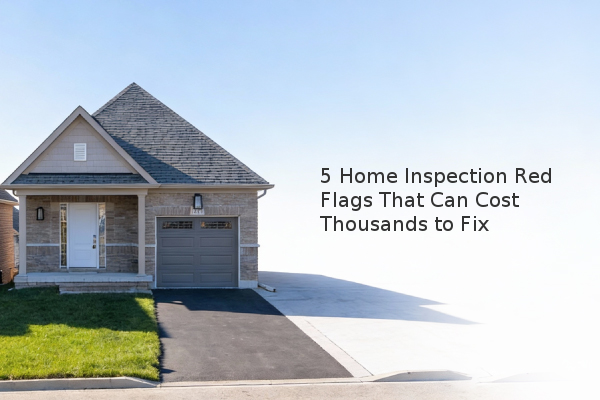
When purchasing a home, certain seemingly minor issues can signal major underlying problems that may cost tens of thousands of dollars to repair. Based on our experience assessment, five specific red flags—polybutylene pipes, aluminum wiring, mold, termites, and foundation issues—require immediate professional evaluation before proceeding with a purchase. Identifying these problems early can prevent significant financial loss and health hazards.
What Are Polybutylene Pipes and Why Are They Problematic?
Polybutylene pipes were a popular, inexpensive alternative to copper plumbing installed in millions of U.S. homes from the late 1970s to mid-1990s. However, these pipes are now known to degrade from chlorine in municipal water supplies, leading to spontaneous leaks and severe water damage. You can identify them by the PB2110 code stamped on pipes near the water heater. Most home insurance policies do not cover water damage from polybutylene pipe failures. The only permanent solution is a full repiping of the home, which can cost $10,000 or more. If you find these pipes, factor this significant expense into your homebuying decision.
How Dangerous Is Aluminum Wiring in a Home?
Aluminum wiring, commonly used during a copper shortage in the 1960s and 1970s, presents a serious fire hazard. Unlike copper, aluminum expands and contracts more with heat, causing connections to loosen over time and creating a risk of electrical fires. Warning signs include flickering lights, discolored outlets, and warm switch plates. You can check for silver-colored wires at the circuit box. Rewiring an entire house to replace aluminum wiring typically costs between $3,500 and $8,000, as it requires opening walls to access the electrical system. This is a critical safety issue that demands immediate attention from a licensed electrician.
What Health and Financial Risks Does Mold Pose?
Mold is a fungus that thrives in damp environments like basements and bathrooms, often hidden behind walls from past water leaks. Exposure can cause respiratory issues, headaches, fatigue, and allergic reactions. A musty odor, discolored walls, or black spots are common indicators. Professional mold remediation can range from $500 for a small area to over $6,000 for extensive infestation, with severe cases costing tens of thousands of dollars. Addressing the source of moisture is essential to prevent mold from returning, making it a costly and persistent problem for homeowners.
Why Are Termites a Multi-Billion Dollar Threat?
Termites are wood-destroying insects that cause more damage to structures than fire and wind combined, resulting in billions of dollars in repairs annually across the U.S. They can compromise the structural integrity of a home by eating wood from the inside out. Signs of an infestation include hollow-sounding wood, piles of insect wings, cracked paint on wood surfaces, and small holes in drywall. Standard homeowners insurance does not cover damage from termites or other insects. Always make your purchase offer contingent on a clear termite inspection report to avoid inheriting a massive, uncovered repair bill.
How Can You Identify Serious Foundation Problems?
Foundation issues are among the most expensive repairs a homeowner can face. A small crack in a ceiling or wall might indicate shifting or settling of the home's foundation. Other red flags include doors and windows that stick, bowing basement walls, and uneven floors. Correcting major foundation problems can cost up to $40,000 and may involve excavating around the house to stabilize walls. This repair often leads to additional costs for landscaping and interior finishing. A structural engineer's assessment is crucial to determine the severity and cost of foundation repairs.
Proactive steps during the home buying process can save you from future financial strain. Always invest in a thorough professional home inspection and negotiate repairs or a price reduction with the seller if any of these red flags are discovered. Being informed and cautious is your best defense against purchasing a home with hidden, costly defects.