Browse

Log in / Register
 Share
Share
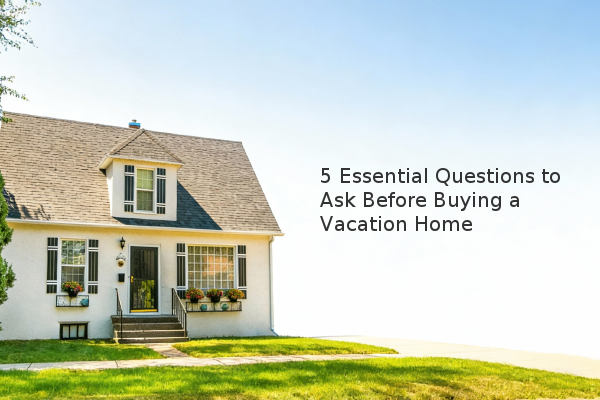
Buying a vacation home is a significant financial and lifestyle decision that requires careful planning. The key to a successful purchase lies in asking the right questions upfront. Based on our experience assessment, the five most critical considerations are travel distance, intended usage frequency, total affordability, rental potential, and personal lifestyle needs. Addressing these areas systematically can help you determine if a property is a sound investment and a good fit for your long-term goals.
The proximity of your vacation property to your primary residence is a primary factor. According to industry trends, the average vacation home is located approximately 180 miles from the owner's main home. This distance often represents a balance between feeling "away from it all" and allowing for manageable weekend trips. When searching, consider your travel preferences. Are you someone who enjoys the journey, or do you prioritize arriving quickly to maximize your leisure time? Confining your search to a realistic travel radius that you can reach quickly and affordably is crucial for ensuring you will use the property regularly.
Your anticipated usage directly influences the type of property you should buy. If you plan to spend entire summers there, features like air conditioning or a waterfront location become necessities. For frequent ski weekends, prioritize properties with excellent insulation and energy-efficient windows. It's also important to be realistic about comfort. While a rustic cabin with minimal amenities might seem charming initially, the lack of a dishwasher or modern comforts may not only deter your enjoyment over time but could also negatively impact the property's resale value later. The more you use the home, the more its comfort and functionality should align with your daily living standards.
A thorough financial assessment is non-negotiable. Establish a firm budget before you begin shopping. Working with a real estate agent who specializes in your desired destination can provide valuable insight into local market prices. If you require financing, be aware that mortgages for vacation properties often have stricter requirements. Lenders typically require a down payment of 20% or more. They will also scrutinize your debt-to-income (DTI) ratio, which is your total monthly debt payments divided by your gross monthly income. Most lenders prefer that your total debt obligations, including the new mortgage, do not exceed 36% of your gross income. Beyond the mortgage, monthly costs include property taxes, utilities, insurance, and maintenance. Additionally, properties within managed communities may have homeowners association (HOA) dues or resort fees. A property must fit your soul and your budget.
Renting out your vacation home can help offset ownership costs, but it also introduces new responsibilities. If rental income is part of your plan, choose a property in a location with broad appeal, such as near ski resorts, golf courses, or beaches. These areas often command higher seasonal rents. The property's size also matters; a home that sleeps ten is more suitable for large family gatherings and can generate more income than a cozy retreat for two.
Here is a brief overview of the pros and cons of renting a vacation property:
| Pros of Renting | Cons of Renting |
|---|---|
| Rental income helps cover mortgage and maintenance costs. | You take on the role of a property manager, handling bookings and guest demands. |
| Tax benefits may be available if rented for more than 14 days per year, allowing for depreciation and expense deductions. | You are responsible for cleaning between guests, either personally or by hiring a service. |
| Renting can provide cash flow if you need to sell in a slow market. | Tax rules are complex; personal usage reduces tax advantages, so consulting an accountant is advised. |
Finally, consider how the property aligns with your vision for its use. Is it primarily for quiet couple's getaways or large, multi-generational family holidays? This decision will guide your needs for bedroom count, common space layout, and outdoor amenities. A property that perfectly matches your lifestyle intentions is more likely to provide lasting satisfaction.
In conclusion, purchasing a vacation home is a major commitment. To make a wise decision, honestly assess your travel tolerance, usage frequency, and financial capacity. If considering rentals, understand the associated responsibilities and tax implications. By methodically evaluating these five key areas, you can find a vacation property that serves as a rewarding retreat and a prudent investment for years to come.