Browse

Log in / Register
 Share
Share
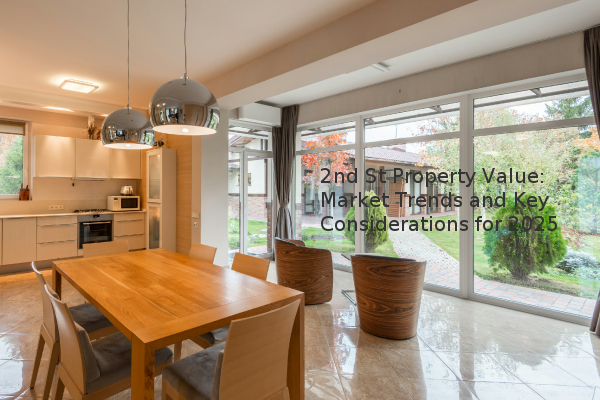
Properties located on "2nd Street" in cities across the United States can offer unique value propositions, but their market performance is highly dependent on local context, including the specific city, neighborhood dynamics, and property type. Based on our experience assessment, a 2nd St address does not inherently guarantee higher or lower property values; instead, factors like proximity to central business districts, walkability scores, and development plans are the primary drivers of appreciation and desirability.
Understanding the "2nd Street" Context In many American towns and cities, numbered streets like 2nd St are part of a logical grid system. Often, these streets are situated close to the historic or downtown core. This can be a significant advantage, potentially offering easier access to public transportation, main employment centers, and cultural amenities. However, it's crucial to research whether the specific 2nd St is a major thoroughfare, which could mean higher noise levels, or a quieter residential street. The term Freehold, meaning you own the property and the land it sits on outright, is a key concept to verify, as some downtown properties might be condominiums with different ownership structures.
Analyzing Market Trends for 2nd St Properties The value of a home on 2nd St is not determined by its name but by comparable sales ("comps") in the immediate vicinity. You should look at the price per square foot, days on market, and sale-to-list price ratios for similar properties on 2nd St and the surrounding blocks. For example, a simplified analysis might show recent trends in a hypothetical market:
| Property Type | Avg. Price per Sq.Ft. (2024) | Avg. Days on Market | Key Influencer |
|---|---|---|---|
| Single-Family Home (2nd St) | $425 | 45 | Proximity to new park development |
| Condo (2nd St) | $550 | 30 | High Walk Score (90+) |
| Multi-Family (2nd St) | $380 | 60 | Strong rental demand from local university |
This data illustrates how localized factors overshadow the street name itself. Property Tax rates, which are levied by local governments based on the assessed value of your real estate, will also directly impact your long-term cost of ownership and should be factored into any investment decision.
Key Considerations for Buying or Selling on 2nd St When considering a purchase, investigate future development plans for the area. A new commercial project or public transit stop nearby could significantly boost property values. Conversely, check for any planned infrastructure projects that could cause long-term disruption. For sellers, highlighting the benefits of the location—such as a short walk to shops or a high Walk Score—is essential. It is also prudent to obtain Title Insurance, a form of indemnity insurance that protects against financial loss from defects in the title to real property.
The Investment Outlook for 2025 As we look ahead, properties on well-located streets like 2nd St in growing urban areas are generally predicted to remain resilient. The continued demand for walkable, convenient living arrangements supports this segment of the market. However, interest rate fluctuations and broader economic conditions will be the dominant forces affecting the market overall, regardless of the street address.
In summary, while a 2nd St address can be a marker of a central location, its true value is uncovered through diligent, hyper-local research.