Browse

Log in / Register
 Share
Share
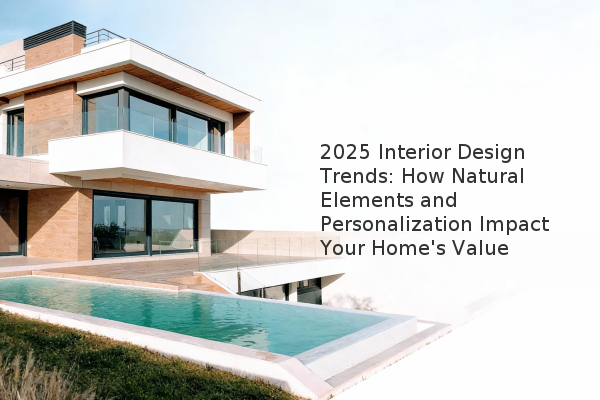
The defining interior design trends of 2025 focus on creating personalized, wellness-oriented spaces that seamlessly blend indoor and outdoor living. Driven by a desire for authenticity and comfort, these trends emphasize natural materials, rich textures, and earthy color palettes. For homeowners, understanding these shifts is crucial, as design choices can significantly influence a property's market appeal and perceived value. This movement away from sterile minimalism towards warm, character-filled homes reflects a broader shift in how we invest in and experience our living spaces.
The neutral color palette is evolving from the cool grays of the past decade toward warmer, more saturated hues. Color drenching—applying a single color to walls, trim, ceilings, and doors—is gaining popularity for creating cozy, impactful rooms. Expect to see a rise in earthy tones like terracotta, deep olive green, and warm browns, alongside jewel tones such as saturated blues and wine reds that add depth and personality. Even white walls are shifting toward creamy, warm undertones to avoid a sterile feel. This move to warmer colors makes a home feel more inviting, a key emotional driver for potential buyers.
The demand for authenticity has placed a strong emphasis on tactile, natural materials. Designers are incorporating raw, organic elements like unlacquered brass, unsealed stone, and unstained wood where imperfections are celebrated. Layering textures is fundamental; think rough-hewn wooden tables paired with soft linen upholstery, plush velvet cushions, and woven wool throws. This trend, often linked to biophilic design, connects interiors to the natural world, which studies show can enhance well-being. Using high-quality, natural materials not only elevates the aesthetic but also suggests durability and quality to future buyers.
The era of cookie-cutter interiors is declining. In 2025, the focus is on personality-driven spaces that tell a story. This means incorporating vintage and handcrafted pieces, curated art collections, and unique finds that reflect the homeowner's individuality. Built-in features, like custom cabinetry or window seats, are also rising in popularity as they maximize functionality and add architectural character. From an investment perspective, a well-personalized home that avoids fleeting fads can have broader appeal because it feels curated and intentional rather than generic.
While open-concept layouts remain popular, there is a growing trend toward creating intentional private spaces. Homeowners are seeking defined areas for specific activities, such as closed-concept studies, reading nooks, or dedicated children's playrooms. This shift responds to the need for privacy and multi-functional living, especially in homes that also serve as workplaces. This doesn't mean eliminating open spaces but rather creating a balanced floor plan that offers both communal areas and private retreats, a feature that can be a significant selling point.
To maximize your home's appeal and potential value, consider these actionable steps based on the 2025 trends: