Browse

Log in / Register
 Share
Share
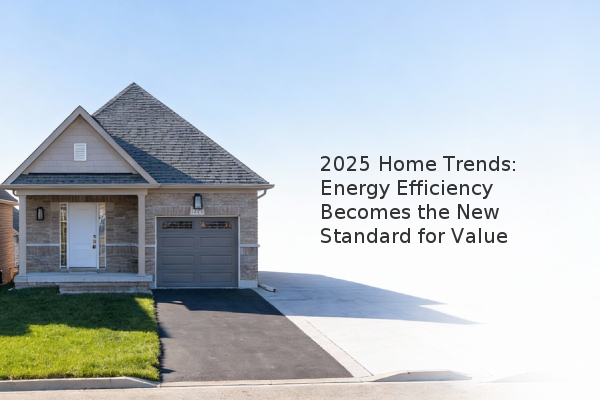
The most desirable home features in 2025 are not about aesthetics but about performance. According to a recent industry report, four of the five fastest-growing home features are tied to energy efficiency and sustainability, signaling a major shift in buyer priorities toward long-term cost savings and environmental performance. Homes that save water, generate power, or reduce utility bills are commanding more attention than those focused solely on decor.
This surge reflects a pragmatic response to rising energy costs and a growing desire for resilience. As senior economist Anthony Smith notes, "The acceleration of efficiency-focused features is striking... These homes are better equipped for a future where operating costs and environmental performance are under closer scrutiny."
The data reveals a clear preference for features with measurable financial and environmental returns. The top-performing trends are:
The driving force behind this trend is largely economic. With utility bills climbing at more than twice the rate of inflation, homeowners are seeking relief from escalating operating costs. Efficiency is emerging as a new baseline for value, transforming what was once a niche interest into a mainstream selling point.
This shift is not confined to the luxury market. For example, homes with WaterSense fixtures have a median list price of $628,000, while net-zero-ready homes appear in listings with a median price of $450,000—a figure much closer to the national median list price of $424,200 than the luxury threshold of $1.22 million. This indicates that sustainable features are filtering into the everyday housing market.
Federal policy has been a significant catalyst. Tax credits like the Energy Efficient Home Improvement Credit and the Residential Clean Energy Credit have covered up to 30% of the cost for qualifying upgrades, turning energy efficiency into a financially savvy movement.
However, the impending expiration of many credits at the end of 2024 has created a surge in demand and logistical challenges. Homeowners are navigating a complex landscape of overlapping programs and limited contractor availability to complete projects before deadlines. Despite these hurdles, the long-term value proposition for upgrades like solar panels and battery storage remains strong as utility grids modernize.
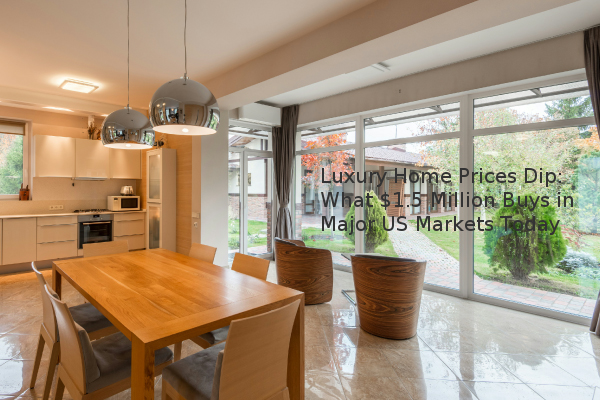
Beyond high-tech efficiency, there is a growing desire for organic design. The 163% year-over-year increase in biophilic features—such as large sliding glass doors, interior courtyards, and living walls—shows a desire to balance digital saturation with natural serenity. Similarly, smart home features that support hybrid work, like hardwired ethernet (up 66%) and smart lighting (up 70%), have become everyday expectations rather than futuristic perks.
Conversely, features associated with "excess" are declining. Infinity-edge pools, three-car garages, and formal dining rooms have all seen significant drops in listing mentions, highlighting a new preference for practicality.
For today's homebuyer, a house is not just shelter but a long-term financial asset. The trends of 2025 show that performance has become the new prestige. Builders and sellers can leverage this by framing green readiness as a key differentiator. As Smith concludes, this shift reflects "pragmatic economics and strategic marketing: Buyers want lower bills and resilience, while sellers and builders see value in branding homes as efficient and forward-looking."