
Browse

Log in / Register
 Share
Share

Ever rummage through Grandpa's old coin collection, hoping to strike gold (or, you know, silver)? Maybe you stumbled upon a gleaming 1921 silver dollar and thought, "Jackpot!" Well, hold your horses. While these old coins can be valuable, figuring out exactly how valuable requires a bit of detective work. Forget buried pirate treasure; we're diving into numismatics!
The burning question on most people's minds is, naturally, "What's my 1921 silver dollar worth?" It's a fair question! Turns out, the answer isn't as simple as just looking at the date. Factors like mint mark, condition, and even the current price of silver all play a significant role.
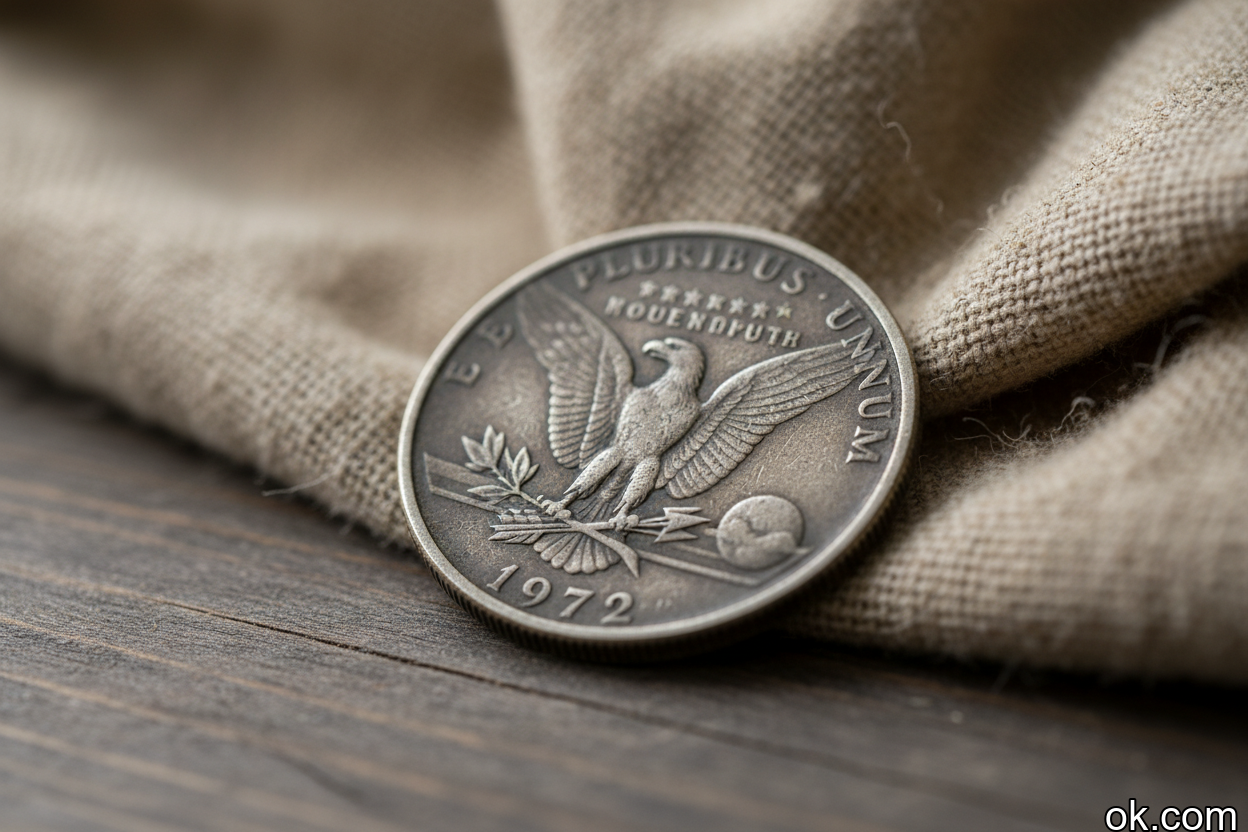
So, you've got a 1921 silver dollar. Great! Let's break down the key factors influencing its worth. It's not all just wishful thinking; there's actually some science (and market forces) involved. Let's consider three major factors.
The 1921 silver dollar was the last year that the Morgan Dollar was minted. 1921 was the only year when all mint marks were used: Philadelphia (no mint mark), Denver ("D") and San Francisco ("S"). The mint mark, or lack thereof, is the first clue. You'll find it on the reverse (back) of the coin, below the wreath. Here's a quick rundown of what those little letters mean:
Why does this matter? Because mintage numbers varied significantly between mints. A rarer mint mark (especially one in good condition) automatically bumps up the "1921 silver dollar value".
Let's be honest, a 1921 silver dollar that's been kicking around in someone's sock drawer for a century is going to look a little worse for wear. And that wear and tear directly affects its value. Coin collectors use a grading scale to assess condition, ranging from "Poor" to "Uncirculated."
Here's a simplified breakdown:
Someone on Reddit mentioned a 1921 silver dollar in "not so great condition" might fetch around $27-30. But if you've got an Uncirculated beauty, you could be looking at significantly more. Let's consider that the silver value of the coin is around $45.42.
Remember, these are silver dollars. That means the intrinsic value of the silver itself plays a role in determining the "1921 silver dollar value". The price of silver fluctuates constantly, driven by market forces. When silver prices rise, so does the base value of your coin.
Here’s a simple table to illustrate potential values:
| Mint Mark | Condition | Estimated Value (Based on Silver at $45.42/oz) | Notes |
|---|---|---|---|
| None | Poor/Good | $45.42 - $50 | Primarily silver value. |
| None | Fine/Extremely Fine | $55 - $70 | Some collector premium. |
| None | Uncirculated | $75 - $100+ | Significant collector premium; depends on eye appeal. |
| D | Poor/Good | $45.42 - $60 | Slight premium over Philadelphia mint. |
| D | Fine/Extremely Fine | $70 - $100 | Higher premium due to scarcity. |
| D | Uncirculated | $105 - $638+ | Can reach significant values depending on specific grade and market demand. |
| S | Poor/Good | $45.42 - $50 | Typically lower value even in circulated grades. |
| S | Fine/Extremely Fine | $50 - $65 | Limited premium over silver value. |
| S | Uncirculated | $70 - $100 | Values do not usually climb as high as 'D' mint mark coins. |
Disclaimer: These are estimated values. Actual prices can vary based on buyer demand, auction results, and other factors.
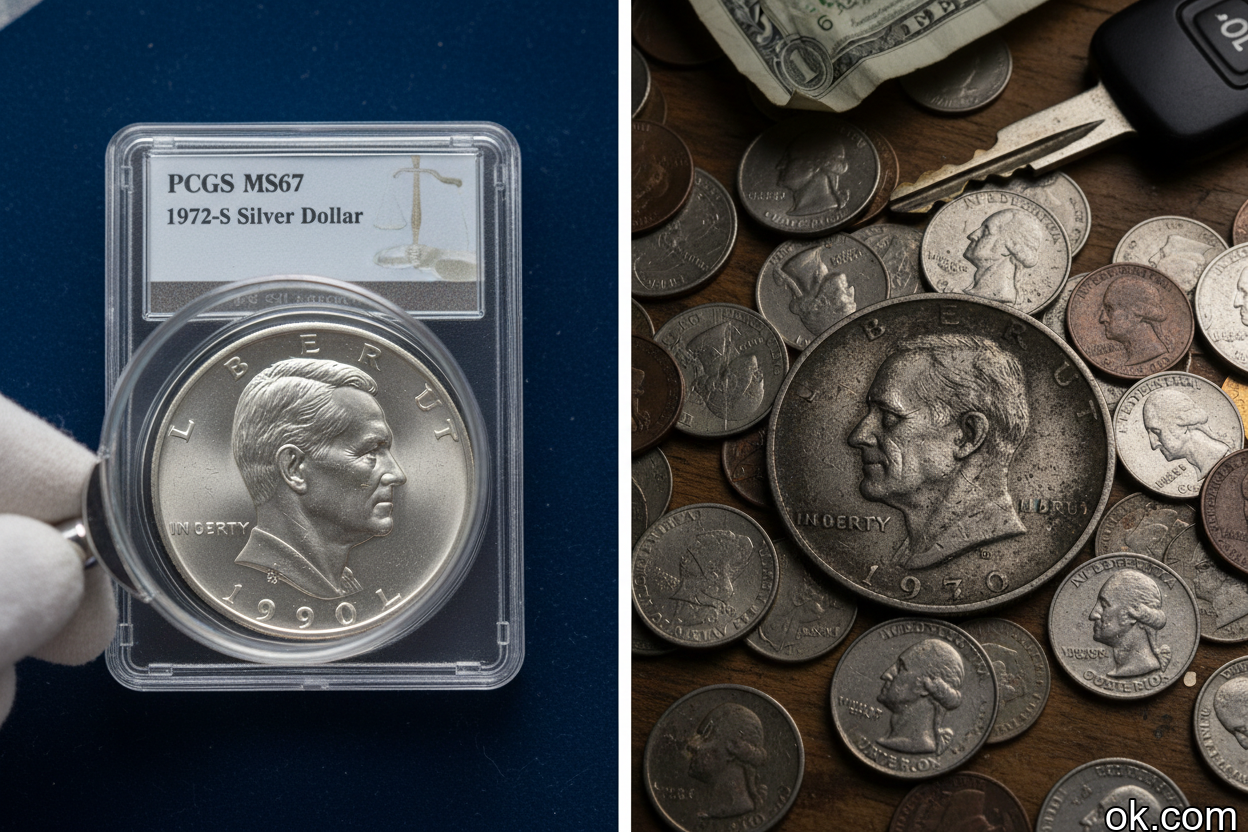
Okay, so you know about mint marks and condition. But there are a few other nuances that can affect the "1921 silver dollar value".
So, you've assessed your 1921 silver dollar and have a better idea of its potential value. Now what?
Unearthing a 1921 silver dollar can be exciting. While it may not make you rich overnight, understanding the factors influencing its "1921 silver dollar value" will empower you to make informed decisions, whether you choose to keep it as a cherished piece of history or sell it to a fellow enthusiast. Good luck, and happy hunting!
Want to know more about this product and its value? Visit 'ok.com' for buying product or check the price and stay informed!


