Browse

Log in / Register
 Share

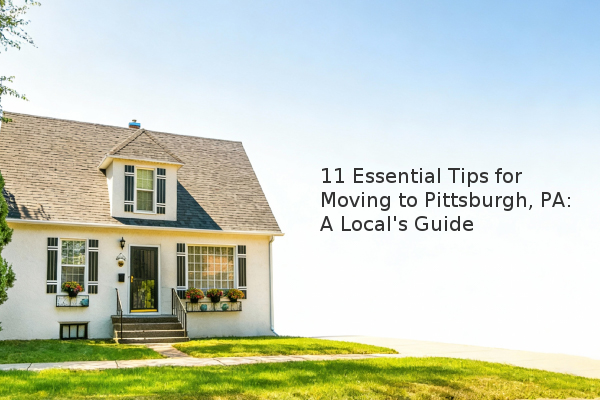
Moving to Pittsburgh, PA, offers an exceptional blend of affordability, vibrant culture, and distinctive neighborhoods, making it a highly livable city for new residents. Based on our experience assessment, successfully relocating involves understanding the local landscape, preparing for the climate, and embracing unique traditions. This guide compiles essential tips from current residents to ensure your move is smooth and you quickly feel at home.
Pittsburgh's identity is deeply rooted in its industrial history, which has evolved into a hub for technology, healthcare, and education. The city boasts a cost of living below the national average, providing significant value. Key attractions include historical sites like the Carrie Blast Furnace and the Meadowcroft Rockshelter, showcasing over 16,000 years of human history. The city's topography, defined by three rivers and numerous hills, creates a unique and picturesque urban landscape. With more bridges than any other city in the world, including Venice, the scenery is a major draw.
| Aspect | Pittsburgh Feature | Why It Matters |
|---|---|---|
| Cost of Living | Below U.S. Average | Increases purchasing power for housing and amenities. |
| Key Industries | Tech, Healthcare, Education | Provides a stable and diverse job market. |
| Historical Significance | Steel City legacy | Offers rich cultural and museum experiences. |
Proper logistical planning is critical for navigating Pittsburgh's often steep and narrow streets. Experts recommend having all belongings packed, sealed, and labeled before movers arrive. This organization helps movers place items correctly in your new home, saving time and reducing stress. Furthermore, you should reserve parking for the moving truck in advance, a crucial step in densely populated neighborhoods. If moving during winter, ensure driveways and walkways are clear of snow and ice for safety. A local custom, using a "parking chair" to reserve a public spot for your moving truck is a widely accepted, though unofficial, practice.
Pittsburgh is a city of distinct neighborhoods, each with its own character. Exploring areas like Shadyside, the Strip District, and East Liberty is essential before deciding where to live. Shadyside is known for being trendy and walkable, while the Strip District is a historic market district bursting with international flavors and specialty foods. The city's restaurant scene is exceptional, featuring everything from classic Pittsburgh sandwiches to high-end cuisine. Embracing the local food culture is a fast way to connect with the city. Be sure to visit farmers' markets, like the Bloomfield Farmers Market, for local produce and artisanal foods.
New residents should be prepared for four distinct seasons. Summers are typically warm and humid, ideal for exploring the city's many parks like Schenley Park. Winters can be cold and snowy, requiring appropriate preparation. Culturally, Pittsburghers are known for being friendly and direct. You may experience the "Pittsburgh Left," where the first car turning left is allowed to go before oncoming traffic proceeds. Long-term residents are often conversational, so don't be surprised if strangers strike up a friendly chat. This welcoming attitude, often called being "nebby" (a local term for nosy), is a sign of community warmth.
To ensure a successful transition, focus on these key actions: research neighborhoods thoroughly, plan your move meticulously for the terrain and weather, and actively participate in local traditions and the food scene. Engaging with your new community from the start is the best way to quickly feel at home in Pittsburgh.