Browse

Log in / Register
 Share

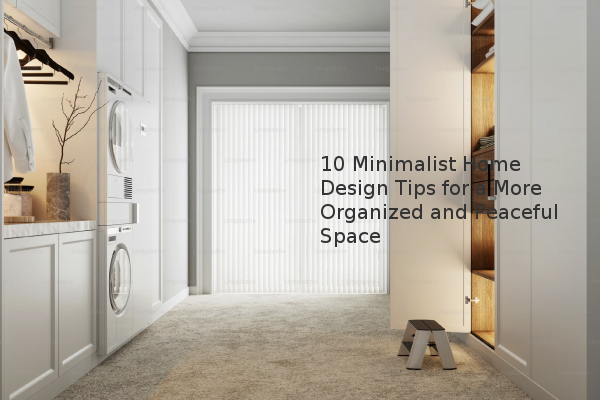
Creating a minimalist home is less about stark aesthetics and more about cultivating a peaceful, intentional living environment. By focusing on decluttering, strategic storage, and purposeful design, you can transform any space into a functional and calming retreat. This approach can reduce stress and make your home easier to maintain, whether you own or rent. The core principles involve prioritizing quality over quantity and embracing the concept that less is more.
The foundational step is a significant reduction of clutter. Clutter refers to an excess of items that create visual noise and physical disorganization. Begin by adopting a methodical approach, such as the "Clean Canvas Method" suggested by cleaning experts. This involves completely emptying a single room, deep cleaning it, and then only returning items that serve a specific purpose or bring genuine joy. As you sort, ask critical questions: When did I last use this? Does this item support the life I want to live? This process helps reset your relationship with your possessions.
"Think of your room as a blank canvas, where each item you choose to keep is a deliberate brushstroke in your minimalist masterpiece," advises a lifestyle expert from Kinda Frugal. To maintain momentum, start small. Dedicate just five minutes daily to clearing surfaces or organizing a single drawer. In high-traffic areas like kitchens, limit countertop items to daily essentials, grouping them intentionally to create visual resting spots for the eye.
Effective storage is the backbone of a clutter-free home. The goal is not to acquire more storage for more stuff, but to have optimal storage that allows you to store necessities out of sight, maintaining clean lines and open spaces. Invest in multi-functional furniture like storage ottomans or beds with built-in drawers. Utilize vertical space with floating shelves and wall-mounted units to keep floors clear.
| Storage Strategy | Implementation Example |
|---|---|
| Hidden Storage | Built-in cabinets, under-bed containers |
| Multi-functional Furniture | Ottoman with storage, desk with drawers |
| Vertical Solutions | Floating shelves, wall hooks |
| Off-Site Options | Rental unit for seasonal or sentimental items |
A key mindset shift is to "store what you don’t use daily." Keep only your most essential items within easy reach and consider off-site storage for seasonal decor or sentimental belongings you aren't ready to part with.
A minimalist aesthetic is built on a foundation of light, neutral colors like whites, beiges, and soft grays. This palette creates a sense of airiness and calm. However, minimalism doesn't mean devoid of character. Introduce depth and warmth through texture and purposeful accents.
Natural light is another critical element. Maximize sunlight by using sheer curtains and strategically placing mirrors to reflect light, making spaces feel larger and more inviting. Incorporating plants like a snake plant or peace lily adds a touch of life and improves air quality without compromising the minimalist vibe.
A minimalist home office prioritizes focus and productivity by eliminating distractions. Start with a clean, streamlined desk and implement a strict "one-in, one-out" policy for office supplies. Go digital whenever possible to reduce paper clutter, and use cable management solutions to keep wires out of sight.
"De-cluttering your home office can change how you work, think, and feel," notes a professional organizer. The key is to create a space that feels open and functional. Every item, from your chair to your monitor, should serve a clear purpose. This intentional approach reduces mental fatigue and helps maintain a calm, focused work environment.
To successfully adopt a minimalist home, begin with a single room, focus on functionality, and be intentional with every item you bring into your space. The goal is to create a home that feels both peaceful and personally meaningful, not empty or sterile. Regular reassessment is crucial to prevent clutter from slowly creeping back in, ensuring your space continues to support a calm and organized lifestyle.