Browse

Log in / Register
 Share
Share

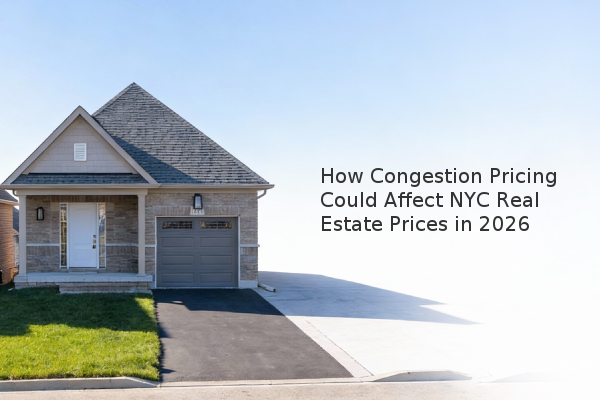
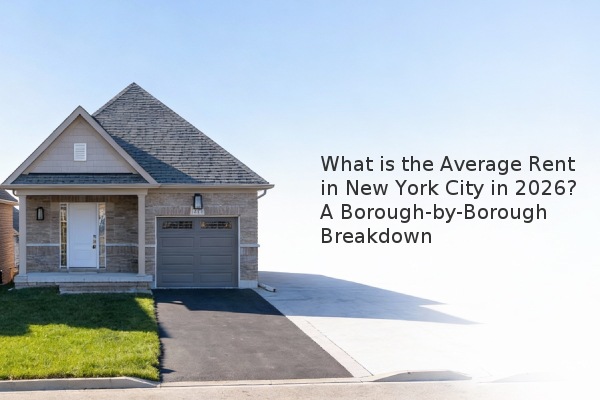
A 1 story house, also known as a ranch-style home, offers distinct benefits like single-level living and open floor plans, but also comes with considerations such as a larger foundation footprint and potential cost per square foot. For families with young children, aging adults, or those seeking easy maintenance, this home style can be an ideal choice, though it may not suit every buyer's needs or budget.
What is a 1 Story House? A 1 story house is a residential dwelling where all living spaces, including bedrooms, bathrooms, kitchen, and living areas, are located on a single level. This style eliminates the need for staircases, which is a primary factor in its appeal. Known for their typically open and flowing layouts, these homes often feature a slab-on-grade foundation (a concrete slab poured directly on the ground) or a crawlspace foundation (a shallow space between the ground and the first floor). The design promotes accessibility and can simplify daily life, making tasks like cleaning and moving between rooms more efficient.
Key Advantages of Choosing a 1 Story House The most significant advantage is accessibility and safety. Without stairs, these homes are inherently safer for young children and much more manageable for individuals with mobility issues or those planning to age in place. This layout also enhances functional flow; an open floor plan common in ranch styles creates a seamless connection between the kitchen, dining, and living areas, ideal for entertaining and family interaction. From a maintenance perspective, tasks like cleaning gutters, washing windows, and inspecting the roof are generally safer and easier on a single-level structure. Furthermore, in a competitive real estate market, a well-maintained 1 story home can be highly attractive to a specific segment of buyers, potentially aiding resale value.
Potential Disadvantages to Consider The primary trade-off for single-level living is the lot size requirement. Because the home spreads out rather than up, it requires a larger lot footprint to achieve the same square footage as a two-story home. This can be a limitation in densely populated or high-cost areas where land is at a premium. Consequently, the cost per square foot to build can be higher due to the need for a more extensive foundation and roof. Privacy can also be a consideration, as bedrooms are on the same level as common areas, which may be less ideal for some families compared to a two-story layout where sleeping quarters are separated.
Buying a 1 Story House: A Practical Checklist When evaluating a 1 story house, focus on these key areas. First, assess the foundation type—a slab foundation can be prone to cracking in certain soils, while a crawlspace offers easier access to plumbing but requires ventilation to prevent moisture issues. Second, scrutinize the roof condition. A larger roof means a higher replacement cost; look for signs of wear or previous repairs. Third, evaluate the floor plan efficiency. Ensure the layout meets your needs, with adequate storage and a logical separation between private and social spaces. Finally, consider future modifications; verify that the property has space for potential additions if your needs change.
| Consideration | Why It Matters |
|---|---|
| Lot Size | Determines potential for expansion and outdoor space. |
| Window Placement | Affects natural light and ventilation throughout the home. |
| Local Market Trends | Influences the home's long-term appreciation potential. |
Is a 1 Story House the Right Choice for You? The decision ultimately hinges on your lifestyle, budget, and long-term plans. Based on our experience assessment, a 1 story house is a strong contender for buyers prioritizing accessibility, safety, and low-maintenance living. It is particularly well-suited for empty-nesters and those with mobility concerns. However, for buyers seeking maximum square footage on a smaller lot or a stricter separation between living and sleeping areas, a two-story home might be a more practical fit. Carefully weigh the initial investment against the long-term livability benefits.
In summary, the key to a successful purchase lies in understanding the trade-offs. A 1 story house offers unparalleled convenience and safety, but requires a thorough evaluation of the property's layout, condition, and fit with your future needs.